A Dutch government minister has recently revealed that a child under the age of 12 was euthanised last year, making them the first known case since the Netherlands expanded its assisted dying laws to include younger children.
Until recently, Dutch legislation only allowed euthanasia for newborn babies under specific circumstances and for individuals aged 12 and older.
However, in 2024, the rules were amended to permit euthanasia for terminally ill children under 12 who are experiencing unbearable suffering with no realistic prospect of improvement, allowing them the option to "die with dignity."
At the time, officials stressed that the law would apply only in exceptionally rare cases.
12-year-old dies by euthanasia
A 12-year-old has died by euthanasia. Credit: David Sacks/Getty Images
Now, according to reports, Dutch Health Minister Sophie Hermans informed parliament that the first case under the revised legislation had taken place involving a "gravely ill" child.
No further information was released about the child's identity, age, gender or medical condition. Authorities only confirmed that the euthanasia had occurred.
Under Dutch law, doctors must demonstrate that there is no reasonable or humane alternative available before euthanasia can be approved. The requirements are particularly strict when children are involved, with multiple safeguards designed to ensure the decision is only made in the most extreme circumstances.
The Netherlands first legalised euthanasia in 2002 under strict conditions. Since then, the framework has gradually expanded while maintaining rigorous oversight.
Young people aged 16 and 17 can request euthanasia with parental involvement, while children aged 12 to 15 require parental consent. The younger the patient, the more stringent the review process becomes.
Cases involving children remain extremely uncommon and are only considered when severe suffering cannot be relieved by any other medical treatment.
Discussion over euthanised woman
One of the most widely discussed euthanasia cases in recent years involved Dutch woman Zoraya ter Beek, who underwent the procedure in 2024 at the age of 29.
Speaking publicly about her decision, ter Beek explained that the process took years and involved exhausting every available treatment option before euthanasia was approved.
Reflecting on the decision, she said: "In the three and a half years this has taken, I've never hesitated about my decision."
She acknowledged the emotional impact on those around her, adding: "I have felt guilt – I have a partner, family, friends and I'm not blind to their pain. And I've felt scared. But I'm absolutely determined to go through with it."
Ter Beek also described the repeated checks carried out by medical professionals, explaining: "Every doctor at every stage says: 'Are you sure? You can stop at any point'."
She emphasised that the approval process was extensive, saying the system was "really safe" and involved numerous assessments to ensure patients were mentally capable of making the decision and had no viable alternatives remaining.
The newly reported case involving a child under 12 highlights how rarely the expanded Dutch law is expected to be used, with officials maintaining that it applies only to the most serious and exceptional medical situations.
The parents of a woman who chose to be euthanized at the age of 33 have spoken out about why they supported her difficult decision.
Assisted dying remains a divisive topic, with some believing that people with terminal conditions should have the choice to end their life before losing their quality of life, while others believe that nature should always take its course.
However, the debate gets even more complicated when the person choosing euthanasia is not considered terminally ill.
One family has revealed why they decided to support their 33-year-old daughter in ending her life with assisted dying.
Esther Beukema died on December 10, 2021, having chosen to pass away in bed in her childhood bedroom, wearing a Mickey Mouse jumper and odd socks, with one belonging to her mom and one to her dad.
She was surrounded by her family - her mom, dad, and younger brother, as a nurse administered a lethal dose of medication to allow her to slip away, which she did just five minutes later.
Esther had campaigned for the right to be euthanized for over a decade, due to her struggles after being diagnosed with anorexia nervosa at the age of 18.
Though it is not considered a terminal illness, anorexia can often be fatal for the patient, and has the highest mortality rate of any psychological disorder, whether that is through complications such as heart conditions and organ failure, or through patients taking their own life.
Tragically, Esther had often told her mother, Ellen, that she did not want to be here, saying: "I don’t want to exist."
She had made multiple attempts to take her own life, and had fought for the right to die with dignity by being euthanized.
While it is not a decision any parent ever wants to make, her mother and father have revealed why they chose to support Esther in ending her suffering, despite it meaning them losing their daughter.
Ellen explained to the Telegraph that she believed a medically assisted death was more "humane" than the thought of Esther dying by suicide, her husband Rob found it much harder to accept.
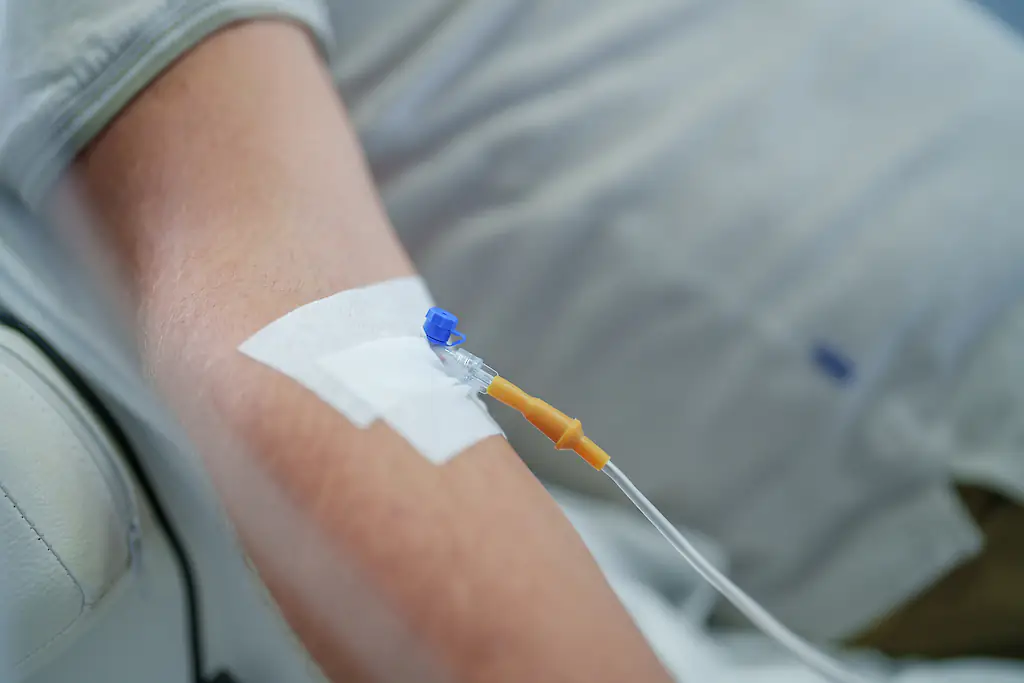
A lethal dose of medication was administered by a nurse to help Esther slip away. Credit: ZeynepKaya/Getty Images
He had suggested that there may be a therapy or treatment that hadn't yet tried that could help Esther see a way through her eating disorder, explaining: "As a dad, I tried to show Esther a little bit of blue sky… that there’s always hope. That tomorrow, perhaps it will be better."
Their differing opinions put a strain on the couple's marriage, but Rob admits that after having therapy of his own, by the time Esther died he was "at peace" with her decision to end her life on her own terms.
Euthanasia for people with a mental illness has been a reality in the Netherlands, where the Beukemas live, for over 20 years, as under the Dutch Termination of Life on Request and Assisted Suicide (Review Procedures) Act of 2002, euthanasia is legal for psychiatric as well as physical conditions, provided doctors believe there is "no reasonable alternative" and that the patient's suffering is "unbearable with no prospect of improvement".
Ellen revealed that she chose to support her daughter so that she could be surrounded by love in her final moments, explaining: "She didn’t have to die alone, she was with the people she loved. And that is what you want for everyone."
She added that as Christians, she and Rob believe Esther is "in a better place" after "always struggling here in this life."
They added that Esther had had a happy childhood in a loving family with siblings close to her own age, and always did well in school and her extracurricular activities, including gymnastics and piano lessons.
The first signs of her illness came when she hit adolscence, struggling with the move to secondary school where she found it hard to make friends and struggled with perfectionism.
Esther first said she wanted to start eating more "healthily" but her diaries, which she shared with her psychiatrist, revealed that she had started calorie counting at just 17 years old in 2005.
Just a year later, she was diagnosed with anorexia and was later told she also had some symptoms of borderline personality disorder, and doctors believed she likely also had autism.
By 2007 she was severely malnourished and required hospitalization, beginning a cycle of force-feeding to help her gain weight, before she would lose it all again, leaving her more traumatized and depressed after each hospital stay.
Throughout her many admissions, Esther continued to keep her diaries, where one heartbreaking entry from April 2011 reads: "I just want to die. I don’t want to live any more. There’s nothing to it. Nowhere."
She first requested euthanasia in 2012 but her request was denied because she was not considered psychologically competent.
Her parents had a glimmer of hope that things may improve after Esther fell in love with a fellow patient on a psychiatric ward in 2017, with the couple quickly moving in together on her release, where they planed to get married and even got a cat together.
The pair had a few months where things improved, but Esther ended up calling off the wedding two weeks before they were due to tie the knot.
Just two years later, after turning 30, Esther began pursuing her mission to get approved for euthanasia again and was eventually approved.
Her family says that the weeks that followed were the "most beautiful" since Esther had begun to get ill, and she chose to move back home with her parents and spend time laughing and talking with her family, as well as planning her own funeral.
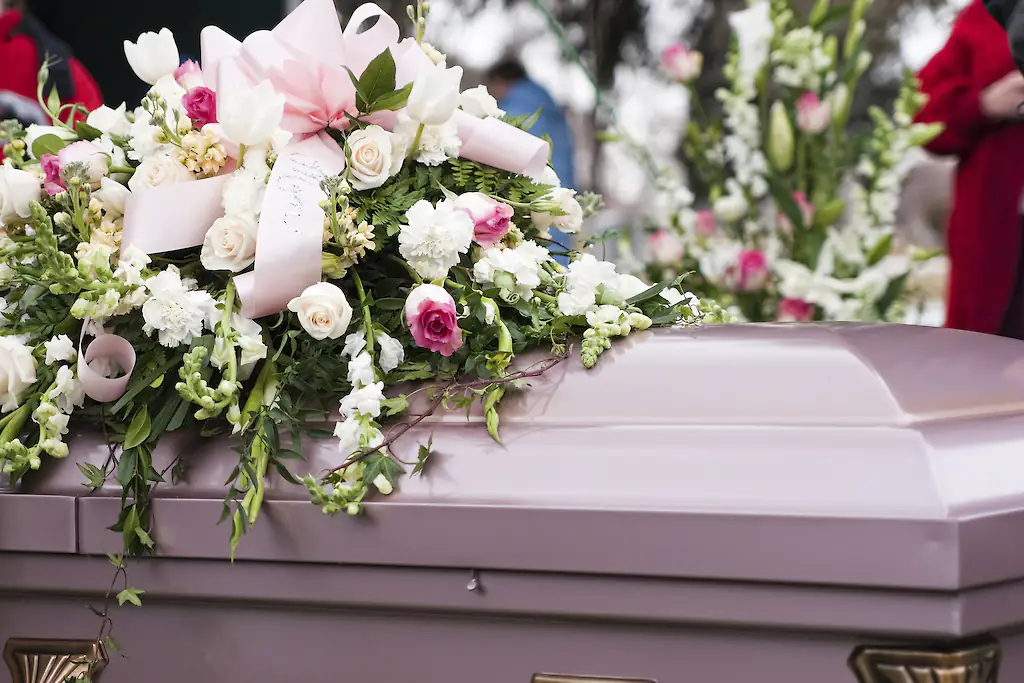
Esther had planned her own funeral in the weeks before her death. Credit: DarrenMower/Getty Images
When her final moments came, Ellen sang a bedtime prayer to her as she had done when she was a child, and Rob added that Esther's death was peaceful, explaining: "I saw her face. No anger. Very happy."
Ellen added: "We are at peace with it, I think. For us, I think it’s the feeling that there is a life before, and a life after. It’s not that the life after is very bad, but you have to discover how to start again. You have to learn to see the good things and to enjoy them."
The couple shared their daughter's story in the hopes of ending the secrecy around end of life decisions, as well as to keep her memory alive, explaining: "If you don’t talk about her, then she doesn’t exist any more. Then she is really dead."
It has taken her three and a half years to get final approval to go ahead with her decision, but her case sparked a widespread debate about the ethics of allowing people to die by euthanasia if they are not terminally ill.
In a new interview, Zoraya has opened up about the messages she received from critics trying to make her change her mind, and her response to those who don't think she should go through with it.
Zoraya received the final approval for assisted dying last week after the process took three and a half years due to a law passed in the Netherlands in 2002.
While assisted dying for people with psychiatric conditions remains rare in the Netherlands, numbers have risen, from just two cases in 2010, to 138 in 2023, however, it remains just 1.5% of the total euthanasia deaths, as reported by the Guardian.
After Zoraya spoke out about her decision in April, she faced a huge reaction, particularly from those who disagreed with assisted dying on mental health grounds.
She told the outlet: "People think that when you’re mentally ill, you can’t think straight, which is insulting.
"I understand the fears that some disabled people have about assisted dying, and worries about people being under pressure to die.
"But in the Netherlands, we’ve had this law for more than 20 years. There are really strict rules, and it’s really safe."
It took over three years of assessments with medical professionals for her case to be approved. Credit: Javi Sanz/Getty Images
In order to be eligible for assisted dying, a person must be living with "unbearable suffering with no prospect of improvement” and be fully informed and competent to make the decision.
Zoraya's mental suffering began in childhood and she has chronic depression, anxiety, trauma, and unspecified personality disorder, as well as autism.
She had hoped that things would ease after meeting her partner and living in a safe environment together, but found she still felt suicidal and would self-harm.
Throughout the next decade, she underwent many intensive treatments including 30 session of electroconvulsive therapy (ECT) as well as medication and talking therapies, and while it helped her learn about herself and coping strategies, it did not fix the "main issues".
After 10 years of trying, Zoraya found there was "nothing left" that could help her, and struggled to cope with life, applying for assisted dying in December 2020.
She had considered taking her own life, but seeing the impact a friend's suicide had on their friends and family made her certain it was not the right decision for her.
Zoraya explained: "It’s a long and complicated process. It’s not like you ask for assisted dying on a Monday and you’re dead by Friday.
"I was on a waiting list for assessment for a long time, because there are so few doctors willing to be involved in assisted dying for people with mental suffering. Then you have to be assessed by a team, have a second opinion about your eligibility, and their decision has to be reviewed by another independent doctor."
She revealed: "In the three and a half years this has taken, I’ve never hesitated about my decision. I have felt guilt – I have a partner, family, friends and I’m not blind to their pain. And I’ve felt scared. But I’m absolutely determined to go through with it."
Zoraya revealed how thorough the doctors assessing her have been, even sending her boyfriend - who'd gone with her to support her - out of meetings so that they could be sure she was able to speak freely about her decision.
Despite the stringent measures she has had to go through for over three years, news of her case saw hundreds of people bombard her on social media to try and convince her not to go through with it, or convert her to their faith.
Zoraya was forced to delete her social media accounts due to the backlash. Credit: Twitter
The attention got so intense, Zoraya was forced to delete her social media accounts to avoid it, explaining: "People were saying: 'Don’t do it, your life is precious.' I know that.
"Others said they had a cure, like a special diet or drugs. Some told me to find Jesus or Allah, or told me I’d burn in hell. It was a total s**tstorm. I couldn’t handle all the negativity."
Zoraya believes she will be euthanized in the next few weeks now that official approval has been given, adding: "I feel relief. It’s been such a long fight."
If you or someone you know is struggling or in crisis, help is available. Call or text 988 or visit 988lifeline.org.
Featured image credit: Jeffrey Basinger/Newsday RM via Getty Images
A woman who was set to be euthanized has shared the reason why she changed her mind moments before her lethal injection was administered.
Romy, a 22-year-old from the Netherlands, suffered from many hardships in her life, such as clinical depression, anorexia after experiencing childhood abuse, and eating disorders, News.com.au reported.
Romy planned to end her life. Credit: Yoss Sabalet / Getty
At the age of 18, the young woman began advocating for her right to die under legislation in her country, which is legal only if "the criteria laid down in the Dutch Termination of Life on Request and Assisted Suicide (Review Procedures) Act are fully observed," per the government website.
She campaigned in front of doctors, officials, and her own family for four years, and was finally granted her wish in June 2023, when she found herself lying in a hospital bed in the city of Leiden.
But seconds before Romy was about to end her own life voluntarily, she had a sudden change of heart.
According to an interview with Dutch publication NRC as cited by the Daily Mail, earlier that day she had seen the black hearse and coffin in which her body would be taken to the mortuary and had handed out t-shirts with the words "life sucks" to mark the event.
Romy changed her mind after she was asked a final question. Credit: Catherine Falls Commercial / Getty
Romy's doctor explained the step-by-step process of her country’s euthanasia laws one last time. They stood over her, holding a syringe, and reportedly said: "The first injection numbs your vein... The second injection stops your breathing. After that, you will die quickly."
The 22-year-old, whose surname has been withheld, then gave them the green light to continue, but her heart was pounding as she considered what was about to happen.
Before administrating the lethal injection, the doctor asked one final question to comply with the laws in the Netherlands: “Are you sure?”
That final step triggered an outpouring of emotion from the young woman who burst out in tears and ended up calling off her own death at the very last minute.
The young woman now lives in communal assisted living. Credit: Marco VDM / Getty
It was reported that Romy requested to end her life once again after initially backing out of her euthanasia. However, as she received immense support from her loved ones and psychiatrist, she decided to continue with her trauma therapy and says that she wants “nothing more than to live”.
Reflecting on her journey with Dutch outlet NRC, she explained: “I don’t regret the journey. Because I’ve been so close to death, I see life as something valuable. It won’t always go well, but I now know there is light at the end of the tunnel."
Today, she is studying for a diploma in adult education and lives in communal assisted living.
When the outlet asked what gives her hope, she quipped: “This is going to sound crazy: I genuinely enjoyed paying rent. It gives my life meaning.”
If you or someone you know is struggling or in crisis, help is available. Call or text 988 or visit 988lifeline.org.
A physically health woman who is set to die via euthanasia has opened up about how her final moments will play out.
Zoraya ter Beek, a 29-year-old Dutch woman has chosen to end her life legally, citing her enduring battle with depression, autism, and other mental health issues.
Speaking to The Free Press, she candidly shared her reasoning, saying: "I was always very clear that if it doesn’t get better, I can’t do this anymore."
Her case sparked a debate about euthanasia being used for mental suffering rather than the traditional view that it is used for those with terminal illnesses.
After a rigorous three-and-a-half-year process under a law enacted in the Netherlands in 2002, ter Beek received final approval last week for assisted dying, per the Guardian.
The process of obtaining approval for assisted dying proved lengthy and intricate, involving assessments, multiple medical opinions, and reviews. Despite facing guilt and fear, ter Beek remains resolute in her decision.
After experiencing backlash following media coverage of her case, ter Beek opted to deactivate her social media accounts.
It took over three years of assessments with medical professionals for her case to be approved. Credit: Javi Sanz/Getty Images
The 29-year-old has been very open about her plans and has given insight into how her final day will go.
"They’ll start by giving me a sedative, and won’t give me the drugs that stop my heart until I’m in a coma. For me, it will be like falling asleep," she said. "My partner will be there, but I’ve told him it’s OK if he needs to leave the room before the moment of death."
She added: "Now the point has come, we’re ready for it and we’re finding a certain peace. I feel guilty too. But sometimes when you love someone, you have to let them go."
Ter Beek's decision has sparked controversy, as assisted dying for individuals with psychiatric illnesses remains uncommon in the Netherlands, despite a growing number of cases.
In 2010, there were only two instances, compared to 138 in 2023, constituting 1.5% of the 9,068 euthanasia deaths.
Reflecting on the controversy, ter Beek acknowledged the contentious nature of cases like hers and the broader debate on the legality of assisted dying.
In response to her critics, the 29-year-old said: "People think that when you’re mentally ill, you can’t think straight, which is insulting.
"I understand the fears that some disabled people have about assisted dying, and worries about people being under pressure to die. But in the Netherlands, we’ve had this law for more than 20 years. There are really strict rules, and it’s really safe."
Under Dutch law, eligibility for assisted death necessitates experiencing "unbearable suffering with no prospect of improvement," coupled with full informed consent and competency to make such a decision.
If you or someone you know is struggling or in crisis, help is available. Call or text 988 or visit 988lifeline.org.
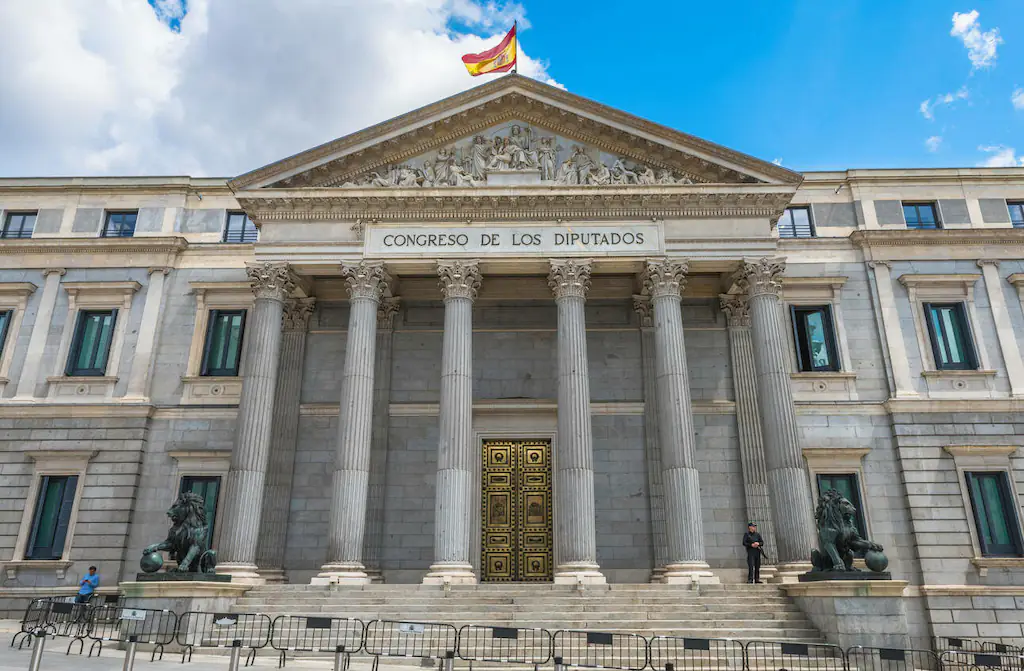
Spain has today voted to approve a law to legally permit euthanasia and assisted suicide for people with serious and incurable or debilitating diseases, CNN reports.
On Thursday (March 18), the Spanish parliament approved a bill to legalize euthanasia, where medical staff can deliberately end a life of a patient with a "serious or incurable illness" or a "chronic or incapacitating" condition and who has "no chance of recovery".
The law has been passed to help those from experiencing "intolerable suffering", The Independent reports.
The Mediterranean country is now the fourth in the EU - after Holland, Belgium, and Luxembourg - to permit the practice, and was approved after a 202 to 141 vote in parliament.
Spanish Parliament building. Credit: Michael Brooks / Alamy
Per the Independent, helping a person end their life has carried a 10-year sentence in the country.
The publication adds that the patient must be fully aware and conscious when they submit their request, which must then be submitted twice in writing, 15 days apart.
A second doctor and an evaluation body must also approve the request, with either doctor being permitted to reject the request if the requirements are not met. Any medic can also withdraw on grounds of conscience.
Additionally, doctors will not be required to participate in ending a person's life, CNN states.
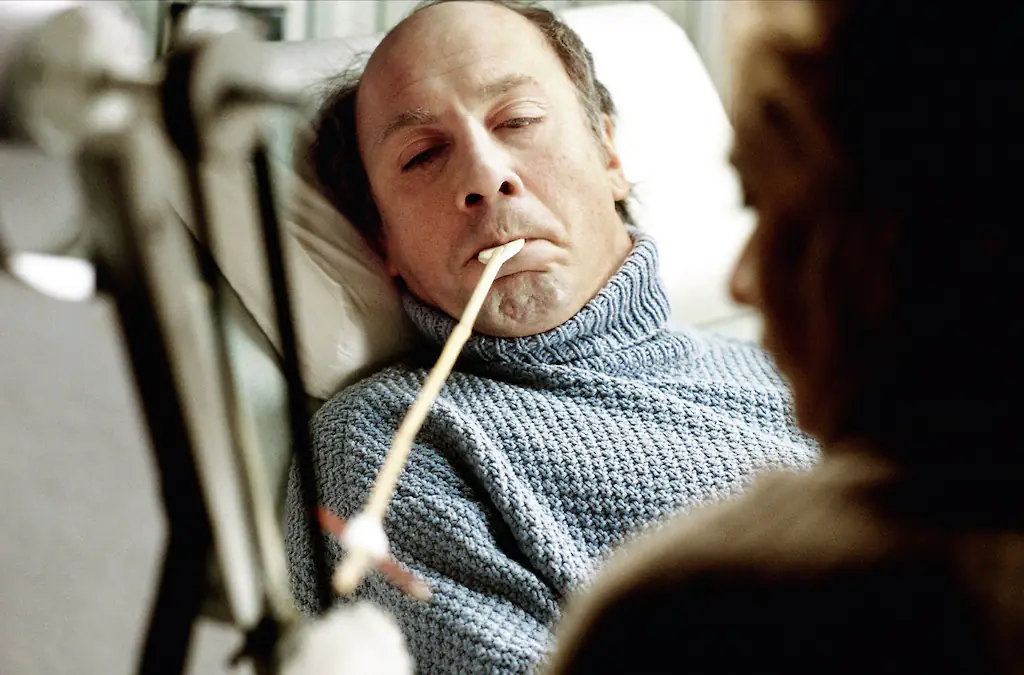
As reported by CNN, during the final debate, Socialist Party MP Maria Luisa Carcedo highlighted the famous case of Ramon Sampedro, a Spanish man who was paralyzed and in 1998 recorded his then-illegal euthanasia.
This true story was the premise of the 2004 Oscar-winning movie, The Sea Inside, directed by Alejandro Amenábar.
MP Lourdes Mendez, from the far-right Vox party, told parliament: "You have elected death instead of medicine" and said there would be "an appeal to Spain's Constitutional Court."
MP Jose Ignacio Echaniz, from the main opposition conservative Popular Party, told parliament that the new law would "provoke distrust between parents and children. Today, the weakest in society have reason to fear."
Javier Bardem as Ramon Sampedro in The Sea Inside. Credit: AF archive / Alamy Stock Photo
Spanish journalist Asun Gomez Bueno, who lost her husband to multiple sclerosis, told CNN: "The last four years of his life, (Luis) was totally paralyzed but kept his cognitive ability intact.
"There was no treatment to mitigate his pain. The pain was so terrible he didn't want to sleep at night because he knew the next day would worse.
"I don't want anybody else to go through the same hell he suffered. Euthanasia is a right that can only be requested by the person involved. It is a right, not an obligation."
The law, which will come into effect in June later this year, has made it legal for patients who have "serious, chronic illness with no chance of recovery and with unbearable suffering" to receive assistance to end their life.
Once effective, it will end convictions for those helping to end the life of an individual with such an illness. Doctors will not be required by law to take part in assisted suicide.
Featured image credit: Universal Images Group North America LLC / Alamy Stock Photo








.jpg_MvNIPx?tr=cr-0.0.2124.1412,f-webp,q-70,w-1024)

.webp_lli6Ty?tr=cr-74.9.445.380,f-webp,q-70,w-1024)


.webp_QQJmGo?tr=cr-345.0.1535.1190,f-webp,q-70,w-1024)

.webp_lli6Ty?tr=cr-74.9.445.380,f-webp,q-70,w-100)


.webp_QQJmGo?tr=cr-345.0.1535.1190,f-webp,q-70,w-100)