A 15-year-old West Virginia boy died from a self-inflicted gunshot wound just hours after receiving a disturbing series of messages from an unknown sender – messages investigators now say were part of an online sextortion scheme.
Bryce Tate, a high school sophomore from Cross Lanes, was found dead at 7:10 PM on November 6, according to the Kanawha County Sheriff’s Office (KCSO). A digital forensic investigation later revealed that at 4:37 PM, Bryce had been targeted in what deputies describe as a coordinated sextortion effort.
The FBI defines sextortion as coercing victims into sending explicit photos or videos and then threatening to release them unless payment is made. These scams have surged nationwide – and in Bryce’s case, investigators say the consequences were devastating.
How the Sextortion Scam Targeted Bryce Tate
Bryce’s father, Adam Tate, told The New York Post the scammers pretended to be “a local 17-year-old girl”, using details about Bryce’s life to gain his trust.
“They knew which gym he worked out at, they knew a couple of his best friends and name-dropped them. They knew he played basketball for Nitro High School,” Adam said, explaining how the predators convinced Bryce the conversation was real.
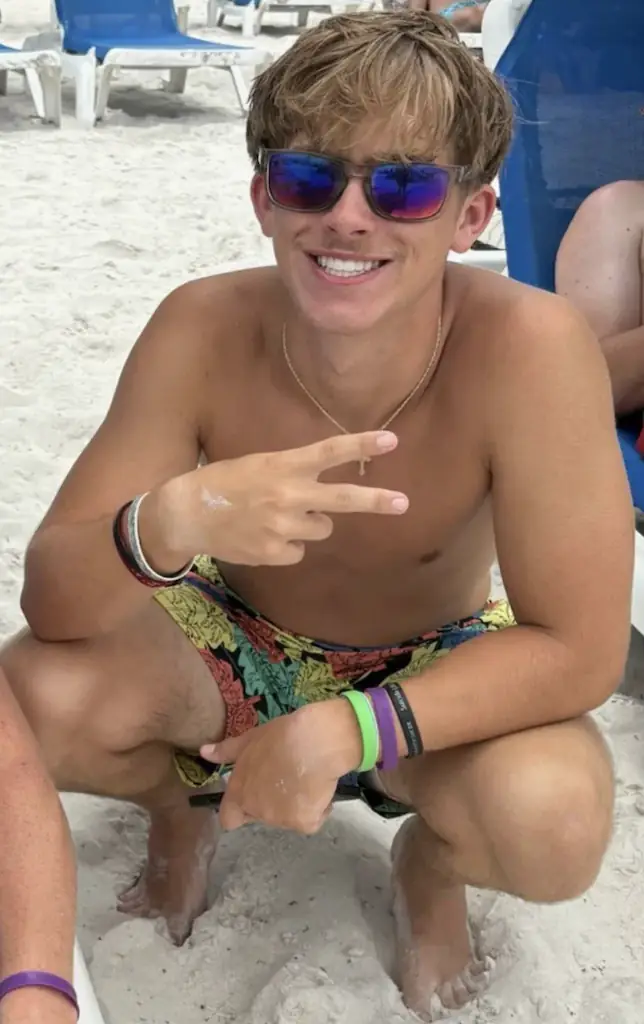
Bryce Tate. Credit: Tyler Mountain Funeral Home.
According to the family, the scammers sent Bryce illicit photos of a girl – believed to be another victim – and pressured him to send explicit images in return. Once they had what they wanted, the threats began.
Scammers typically demand money through untraceable methods like Cash App, Venmo, gift cards, or cryptocurrency. In this case, they allegedly demanded $500 – money Bryce didn’t have. He offered to send his “last $30”, his father said.
Then, according to the family, the messages turned even darker. The scammers allegedly told Bryce to kill himself, saying his life was "already over”.
“In My Book, It Is 100% Murder,” Father Says
In the final 20 minutes before Bryce died, the scammers reportedly sent him 120 messages, bombarding him with threats intended to cause overwhelming panic.
“They say it’s suicide, but in my book it is 100% murder,” Adam told The New York Post. “They’re godless demons… worse than criminals.”
He later told WSAZ that these predators use “relentless threats, isolation tactics, and fabricated shame”, pushing teens into a panic so intense that they can’t think clearly. Bryce, he said, always knew he could talk to his parents – but in this case, “it was not enough”.
“This isn’t just manipulation,” Adam said. “It’s a calculated assault on the innocent… to drive devastating decisions before loved ones can intervene.”
FBI Investigation and Calls for “Bryce’s Law”
KCSO confirmed the FBI’s Pittsburgh office is now investigating the case.
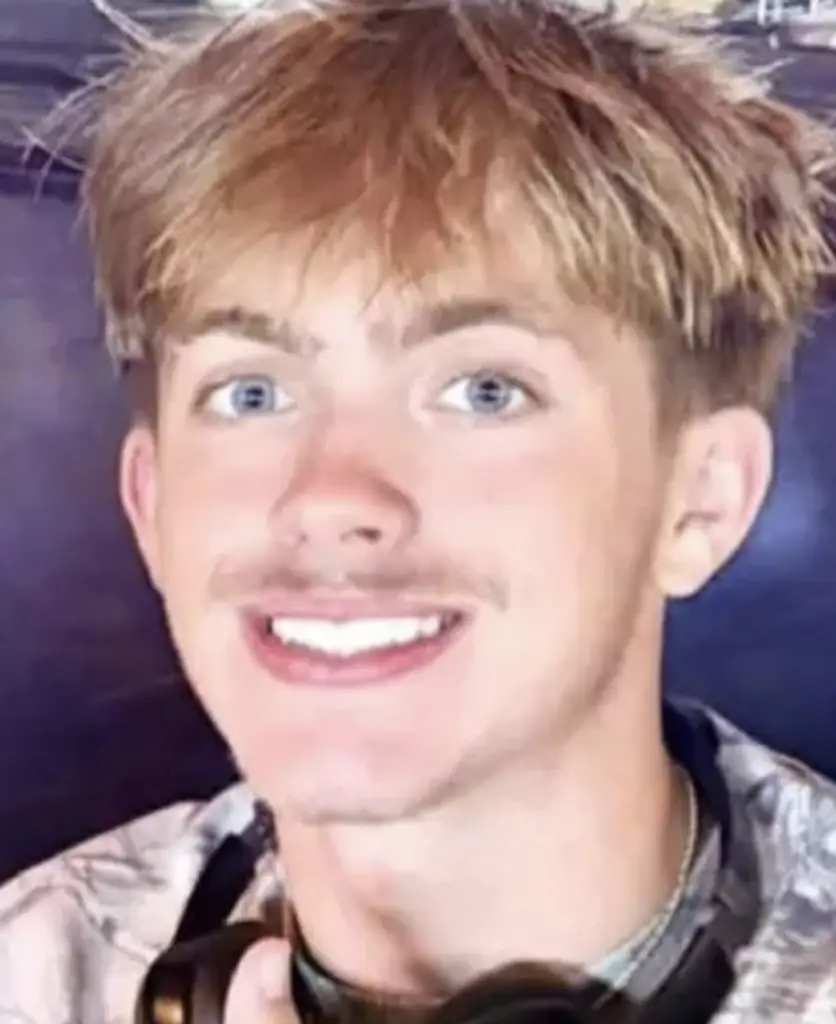
Bryce Tate. Credit: Kanawha County Sheriff's Office.
In response, Adam and several West Virginia lawmakers are pushing for “Bryce’s Law”, a proposed measure that would create harsher penalties for cybercrimes that result in self-harm or suicide.
How Parents Can Protect Their Children Online
KCSO Sgt. Jeremy Burns advised families to tighten social-media security settings. “Make sure it’s set so that you have to authorize who follows you,” he told The New York Post.
Adam echoed that message, telling the publication: “[Families] have to be aware of what the threat is. You have to have that conversation.”
Bryce is remembered as a beloved son in a close, communicative family – one his father says was “shattered” by the insidious tactics of online predators.
If you or someone you know is struggling or in crisis, help is available. Call or text 988 or visit 988lifeline.org.
Featured image credit: Tyler Mountain Funeral Home.