With the world being on edge at the moment, fears of a third World War are widespread.
Under the direction of President Donald Trump, the U.S. has recently taken drastic steps, such as ordering the removal of Venezuelan leader Nicolás Maduro and his wife from their country.
With the globe in turmoil, many are left wondering if the United States is inching closer to a military draft.
Is the country preparing for a potential world conflict, and who would be called to serve if that were to happen?
The Draft Question That Could Be Asked
When it comes to a military draft, there are a few possibilities of who might be called up.
But simply, the main question that will be asked is: Are you a man between the ages of 18-25?
Those who answer yes to that question will find themselves at real risk of having to go and fight a war.
Then, if things don't turn out great, the ages could be expanded to draft more people.
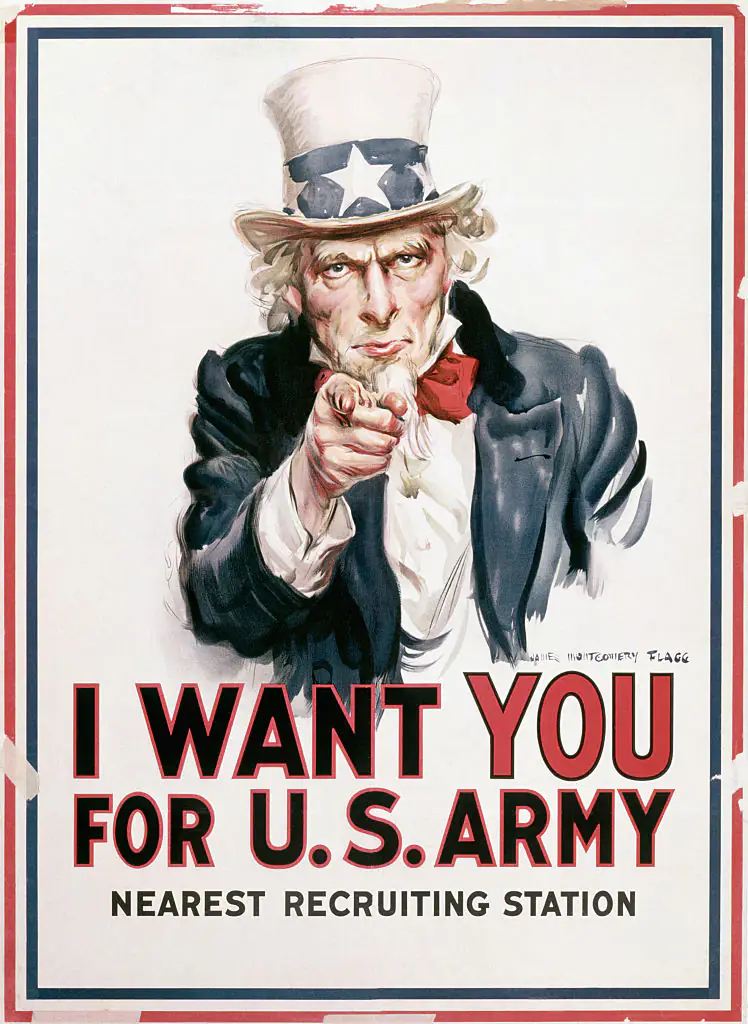
Could the draft return? Credit: Bettmann / Getty
The Process of a Draft: How It Would Unfold
If the U.S. government decides to reinstate the draft, the Selective Service System has a set procedure in place. This would involve a four-step process that could see young men called up to serve quickly.
Step 1: Congressional Approval
First, the U.S. Congress would need to amend the Military Selective Service Act to allow for the induction of individuals into the military. Without this legal change, a draft could not occur. Once Congress approves the measure, the Selective Service System can activate.
Step 2: The Selective Service System Gets to Work
Once authorized, the Selective Service system moves swiftly into action. Registrants would be ordered to report, and Area Offices would open nationwide to handle any claims, deferrals, or exemptions.
Individuals could apply for postponements or exemptions for reasons such as being conscientious objectors or demonstrating financial hardship.
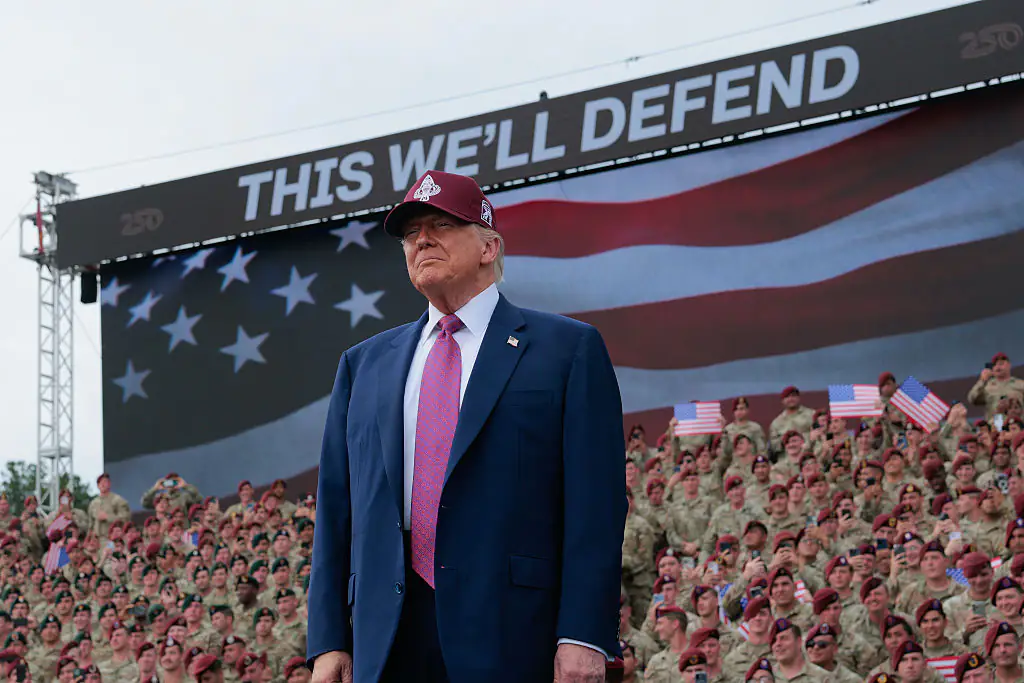
It's unlikely that a draft will happen anytime soon. Credit: Anna Moneymaker / Getty
Step 3: The National Draft Lottery
For those between the ages of 18 and 25, this is where things become real. A national lottery would take place—a live-streamed event that would capture the attention of the nation.
The lottery would involve the random drawing of birthdays and numbers, determining the order in which individuals would be inducted into the military.
According to Selective Service guidelines: "The first to receive induction orders are those whose 20th birthday falls during the year of the lottery."
If additional personnel are needed, the draft will proceed by age, starting with 21-year-olds, then 22-year-olds, and so on, up to 25. After this, the draft would extend to 19-year-olds and even those who are 18 and a half.
Step 4: Final Evaluations
Once individuals are selected in the lottery, they don’t immediately ship off to boot camp. Instead, they must first report to a Military Entrance Processing Station (MEPS) where they undergo medical, mental, and moral evaluations.
The screenings are extensive, ensuring that only those who meet the standards are inducted. If a registrant fails any of the evaluations, they will be sent home, exempt from service.
Once all evaluations are complete, the government must ensure that the first group of inductees is delivered to military training within 193 days of the draft being authorized.
Featured image credit: Bettmann / Getty










.webp_QQJmGo?tr=cr-345.0.1535.1190,f-webp,q-70,w-100)