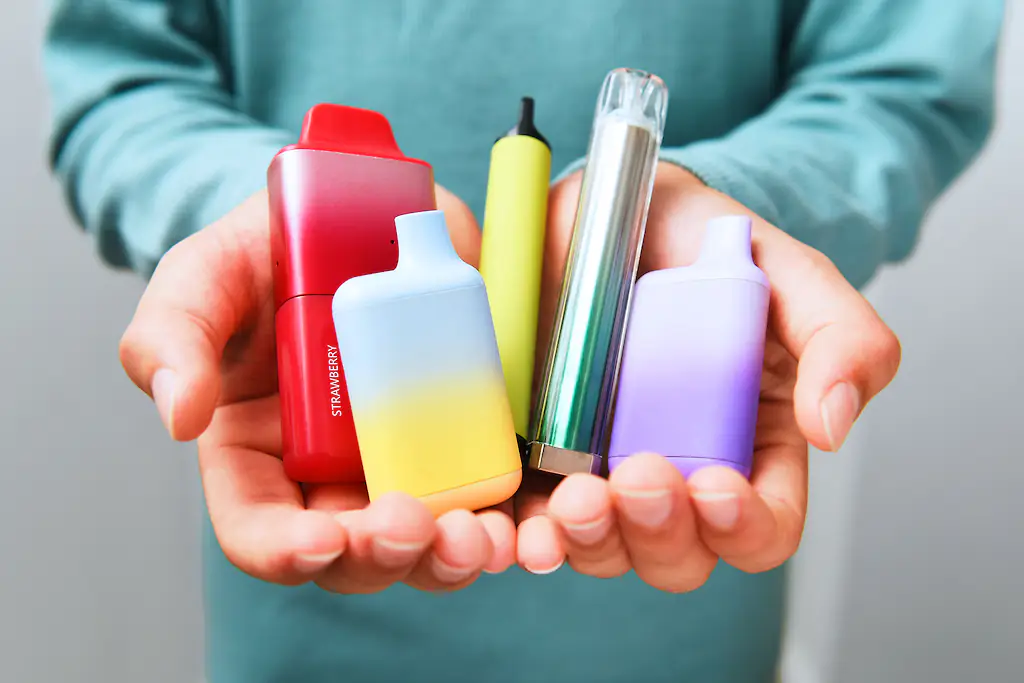
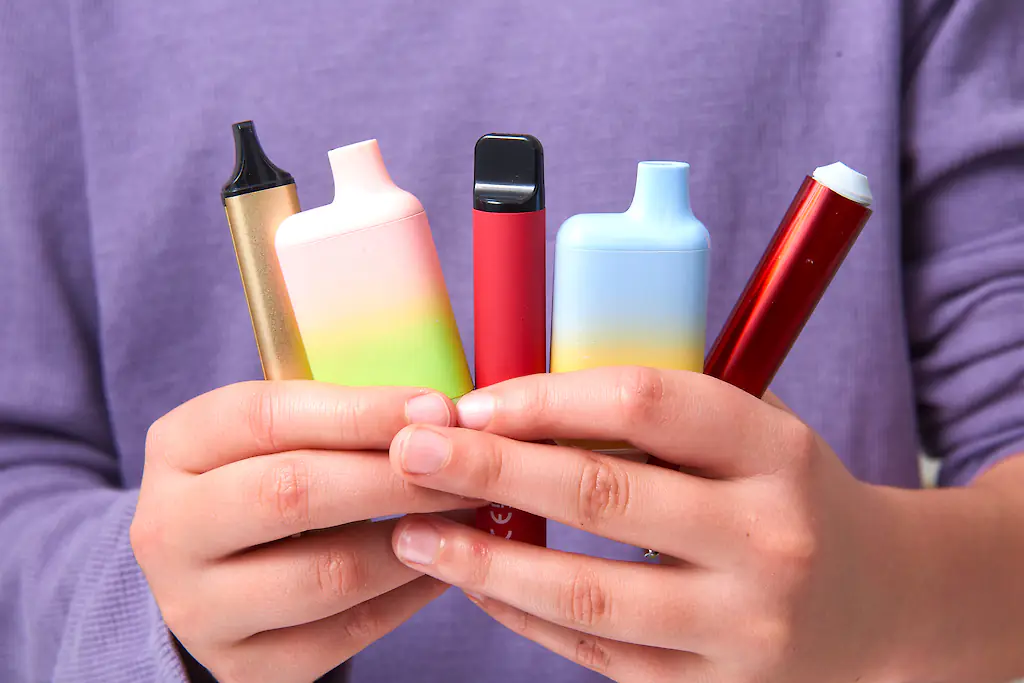
We all know smoking is bad for us. That’s hardly breaking news. But as more research continues to roll in, vaping is increasingly coming under fire too — with studies suggesting it can be extremely harmful to your health.
While many people still view vaping as a “better” alternative to traditional cigarettes, experts are raising growing concerns about what it’s actually doing to our bodies — particularly our lungs.
Some reports claim the health effects can hit your system within seconds of inhaling, and the long-term consequences have been described as “devastating.”
Much like smoking — which has been banned in workplaces across at least 28 US states and outlawed in most government buildings, hospitals, schools, and restaurants — vaping is now facing strict regulation worldwide.
And if you’re planning a trip abroad, lighting up your favorite Watermelon Ice in the sunshine might not be as simple as you think.
Countries With Strict Vaping Laws Tourists Must Know
According to The Mirror, more holiday hotspots are introducing rules similar to smoking bans. Experts at Vape Ease UK have warned British travelers to double-check local laws before using their devices overseas.
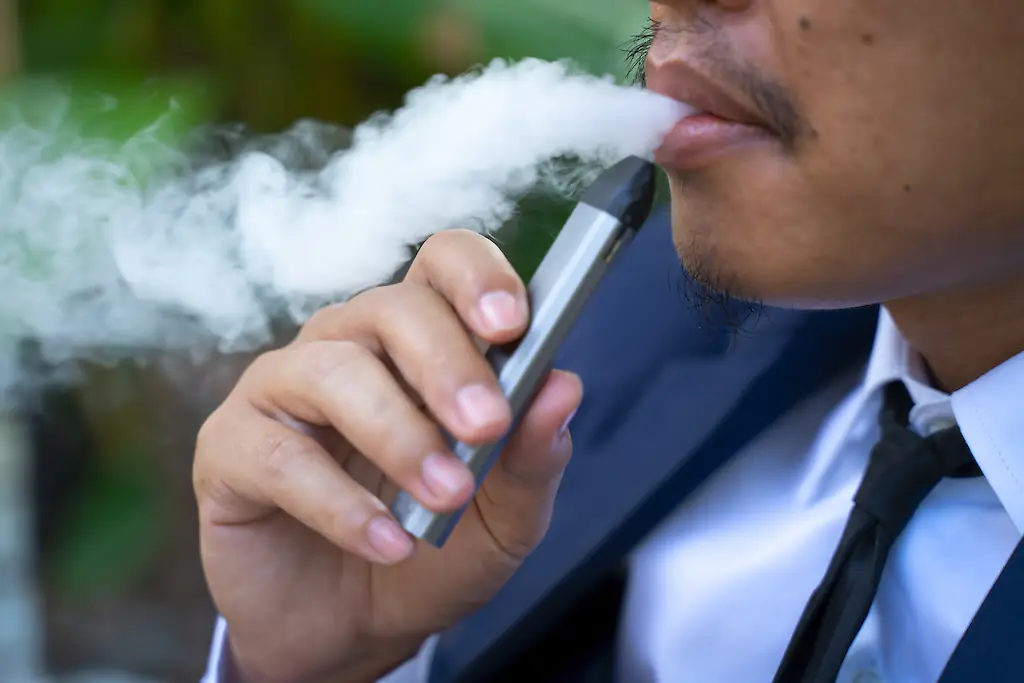
Vaping is seen as a "healthy" alternative to smoking. Credit: Peter Dazeley / Getty
Here’s where things get complicated.
Turkey Vaping Rules
With over 4.4 million UK tourists visiting Turkey in 2025, this is a big one for British travelers.
Vaping is only permitted in designated smoking zones. Visitors can bring just one device, spare pods or refill bottles of 30ml or less, and up to 10 disposable vapes per person. E-cigarettes and e-liquids are classified as tobacco products, meaning users must be over 19 years old.
India’s Total Ban
India introduced the Prohibition of Electronic Cigarettes Act (PECA) in 2019, effectively banning vaping.
Breaking the law can land offenders with a year in prison and a $1,300 fine. For repeat offenses, penalties escalate sharply — up to five years in prison and fines of $6,700.
Denmark’s Flavor Restrictions
In Denmark, vaping remains legal — but only if you’re over 18.
Flavored liquids have been banned since April 2021. Vaping is also prohibited in public transport, schools, and childcare facilities. Indoor venues such as bars and restaurants may set their own policies, so checking ahead is essential.
United Arab Emirates Regulations
Vaping is legal in the UAE, but only under regulations set by the Emirates Authority for Standardisation and Metrology (ESMA).
Users must be 18 or older and vape only in permitted areas. Violations can carry a minimum prison sentence of one year and fines reaching up to $270,000.
Some countries have completely banned vaping. Credit: Peter Dazeley/Getty
Australia’s Pharmacy-Only Sales
As of July 2024, vaping products in Australia can only be sold through pharmacies. The move targets those trying to quit smoking or manage nicotine intake.
Travelers are restricted to bringing a maximum of two vapes for personal use, along with 20 vape accessories and no more than 200ml of liquid.
Mexico’s General Ban
Mexico has implemented a general ban on vaping.
It’s prohibited in indoor spaces such as bars, restaurants, shops, and workplaces. Tourists are advised to store devices in checked luggage, carry only small amounts of e-liquid, and be prepared to explain the intended use of their vape if questioned by customs officials.
Thailand’s Extremely Strict Penalties
Thailand has some of the harshest anti-vaping laws in the world. E-cigarettes have been illegal since 2014.
Those caught can face fines of $940 and up to 10 years behind bars. Tourists are strongly advised not to bring any vaping devices or related items, and to be aware of the strict enforcement, as previous visitors have been arrested.
Vaping in Thailand could land you in jail. Credit: seksan Mongkhonkhamsao / Getty
Hong Kong’s Tightening Restrictions
Hong Kong banned the importing, manufacturing, and sale of vapes in 2022. While usage itself is not yet illegal, that’s expected to change in the middle of 2026.
Breaking current laws can already result in fines of up to $2,700.
Japan’s Heavy Regulation
Japan treats nicotine e-liquids as medicinal products.
Travelers may bring up to 120ml into the country. However, vaping in public spaces is strictly prohibited unless you’re in a designated smoking zone. Penalties include fines and even imprisonment.
Singapore’s Zero-Tolerance Policy
Singapore enforces one of the toughest stances globally.
Importing, selling, or using e-cigarettes is illegal. If customs officials discover a vape, offenders face legal consequences and fines of up to $3,100.
Featured image credit: Peter Dazeley / Getty









.webp_QQJmGo?tr=cr-345.0.1535.1190,f-webp,q-70,w-100)