A physiotherapist has warned people to stop obsessing over hitting 10,000 steps a day for weight loss and instead focus on a more effective approach.
Ana Galeote, who is also an author and anthropologist, has been digging into what really helps people live longer, healthier lives.
After travelling to Okinawa in Japan, known as the "island of centenarians," she discovered that longevity is not about strict goals or extreme routines but rather simple things - consistent habits, daily movement, and staying connected with others.
For years, hitting 10,000 steps a day has been treated like the gold standard of health. Credit: Milky Way / Getty
Why 10,000 Is Not The Magic Number
Galeote made it clear that while walking is important, the widely promoted 10,000-step goal is not essential.
"I'd start by simply upping your step count. It’s easy, it's free, and it's accessible to almost everyone. We know that increasing your daily movement from 2,000 to 2,500 steps already cuts the risk of all-cause mortality by 8% - and at around the 8,800-step mark, that risk drops by nearly 60%," she said, per HELLO Magazine.
"There's no need to get obsessed with 10,000 steps; you just need to do a bit more than you did yesterday. Walking improves your heart health, your metabolism, your mood, and even your brain power."
"Rather than waiting for the 'perfect' routine, I’d much rather see someone just get out the house and go for a walk every day," she added.
A recent study found that 7,000 steps a day can still bring major health benefits, which is good news for people who find higher goals hard to reach.
Expert Dismisses Other Myths
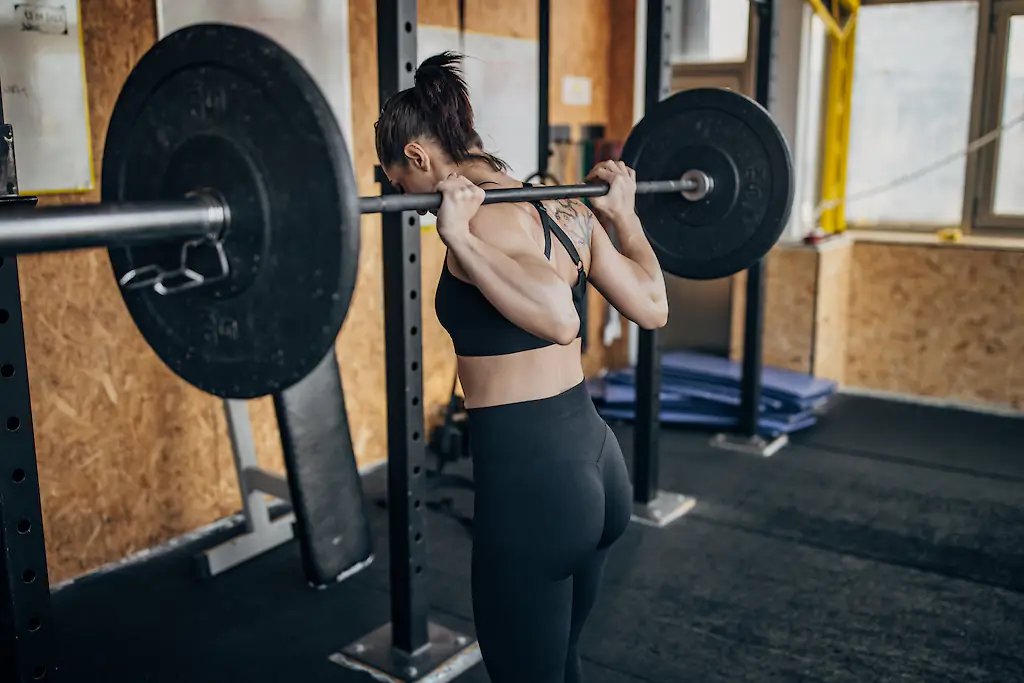
While walking plays a key role, Galeote emphasizes "it's no substitute for strength training or more demanding cardio".
"If we want to live longer and, more importantly, live well, we need a combination of the three: steps, strength, and aerobic capacity," she added.
She also challenges common misconceptions about health, including the idea that being thin automatically means being healthy, and the belief that weightlifting is only for younger people.
"We know for a fact that muscle weakness significantly increases the risk of mortality. Strength training in older people - even those in their 90s - is vital for maintaining independence and preventing falls," she said.
This balanced approach reflects what many experts believe: health isn’t just about hitting one target.
There are guidelines for exercise, sleep, and hydration, but flexibility is important.
As one sports nutritionist puts it: "Rules are for the obedience of fools and the guidance of wise people," per BBC News.
The expert said "strength training in older people - even those in their 90s - is vital for maintaining independence and preventing falls". Credit: Hirurg / Getty
Small Changes Can Make A Big Impact
Galeote stressed that consistency matters more than perfection. "You just need to do a few more steps than you did yesterday," she said.
While she acknowledges that building healthier habits is hard, she insists that even small actions can make a difference, whether it is taking the stairs, going for a short walk, or doing quick exercises at home.
"There is always something you can do to start improving today, no matter how small the gesture... You only have one body, but you have lots of moments you can look after it each day," she said.
Her experience in Okinawa reinforced this mindset, as rather than structured workouts, people stay active through everyday tasks like gardening, walking, and housework. "They don't go to the gym, they move simply to live," she shared.
Ultimately, the physiotherapist believes we should focus on living better, not just longer.
"There is precious little point in adding years to your life if you spend the last ten of them unable to get dressed or climb a flight of stairs," she added.
Featured image credit: Milky Way / Getty









.jpg_WVzoFX?tr=f-webp,q-70,w-1024)