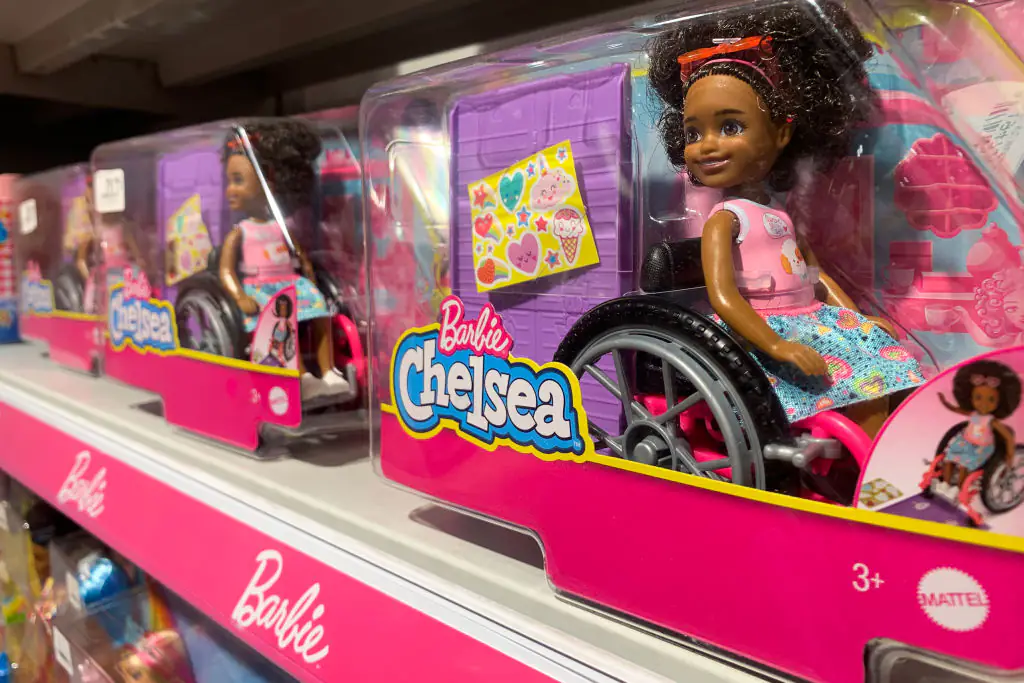
Being able to see yourself reflected in the world can make a powerful difference, particularly when it comes to children.
That’s why Mattel’s decision to introduce its first autistic Barbie has been met with widespread approval.
The release follows the launch of its first Barbie with type 1 diabetes just six months earlier, signalling a continued shift towards more inclusive representation.
The new doll joins the Fashionistas line and has been created to help a broader range of children recognise themselves in Barbie, while also encouraging others to engage with toys that better reflect real-life diversity.
The new Barbie was developed in partnership with the US-based Autistic Self Advocacy Network and is intended to represent some of the ways autistic children may navigate communication, sensory input, and social interaction.
If you were unaware, autism is a type of neurodivergence that affects how people perceive, process, and interact with the world. Experiences of autism differ from person to person, but it is estimated that more than one in every 100 children globally is autistic.
The design of the new doll has many details that reflect some of the signs that are associated with autism. Its eyes are angled slightly away, a nod to the fact that some people find direct eye contact uncomfortable. Her elbows and wrists are fully flexible, allowing for repetitive movements such as stimming or hand-flapping, which can help with sensory regulation or emotional expression.
She wears a (pink, of course!) fidget spinner to support self-soothing, along with noise-cancelling headphones designed to reduce overwhelming sounds.
The doll also comes with a tablet displaying symbol-based augmentative and alternative communication icons, offering a visual aid for everyday interaction.
Another detail is her clothing, which is a loose-fitting purple pinstripe A-line dress to reduce friction against the skin, and flat purple shoes to provide stability and allow for easy movement.
Barbie has existed since 1959, but the dolls only began representing disabilities in 2019. Since then, Mattel has expanded the range to include dolls who are blind, use wheelchairs, have Down syndrome, prosthetic limbs, vitiligo, or hearing aids.
The Ken range has followed suit, featuring dolls with prosthetic legs, wheelchairs with ramps, and hearing aids.
Jamie Cygielman, Mattel’s global head of dolls, described the autistic Barbie as a natural extension of the company’s broader commitment to inclusion.
“Barbie has always aimed to reflect the world children see and the futures they imagine,” she said, adding that the new doll helps broaden perceptions of inclusion, “because every child deserves to see themselves in Barbie.”
She also stressed the importance of collaboration with the autistic community, noting that autism is not always visible and is experienced differently by every individual.
The design elements, she said, are intended to reflect some, but not all, autistic experiences, with the goal of showcasing a wider range of authentic stories.
New Barbies have been introduced to better represent society. Credit: Jakub Porzycki/NurPhoto via Getty Images
The announcement was shared on Instagram and was quickly inundated with comments, with many people welcoming the doll.
One person wrote: "As an autistic mother to a non verbal daughter this is literally everything we could have asked for! Thanks for representing us so beautifully. Seeing diversity and representation in the doll world is just so beautiful it makes me feel immense joy."
Someone else asked: "Can you please make a Ken version too? My Autistic son would like one."
However, another follower wrote: "Autism doesn’t have a ‘look’ though… mine doesn’t wear ear defenders." And another person added: "I’m autistic and so confused…"
Featured image credit: Chris Jackson/Getty Images