


Health4 min(s) read
Graphic simulation shows what happens to sperm inside body if not ejaculated

A graphic simulation has revealed what actually happens to sperm inside a man’s body if it’s not ejaculated.
Men start producing sperm shortly after they reach double figures in age and continue doing so for the rest of their lives. In fact, millions of sperm cells are produced in the testicles every day.
According to Clear Blue, this all starts inside the testicles within a network of tiny tubes called the seminiferous tubules, which house germ cells.
Under the influence of hormones such as testosterone, these germ cells transform into sperm. As they grow, the cells divide and slowly take on the “tadpole” shape that most people associate with sperm.
The full journey from germ cell to fully mature sperm cell capable of fertilising an egg takes around 2.5 months.
While that may sound like a long process, the male body is constantly producing sperm, meaning a healthy male will not run out, even if he ejaculates several times a day.

What If Sperm Isn't Ejaculated?
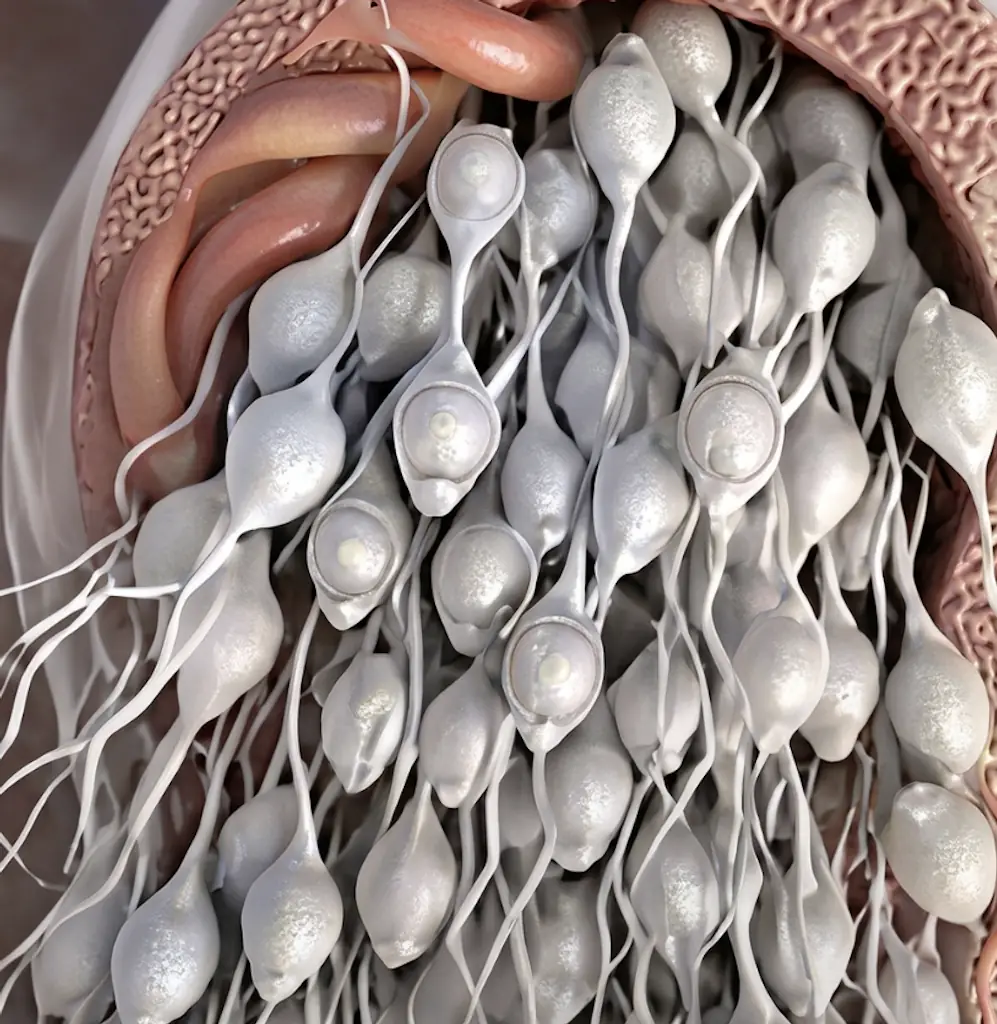
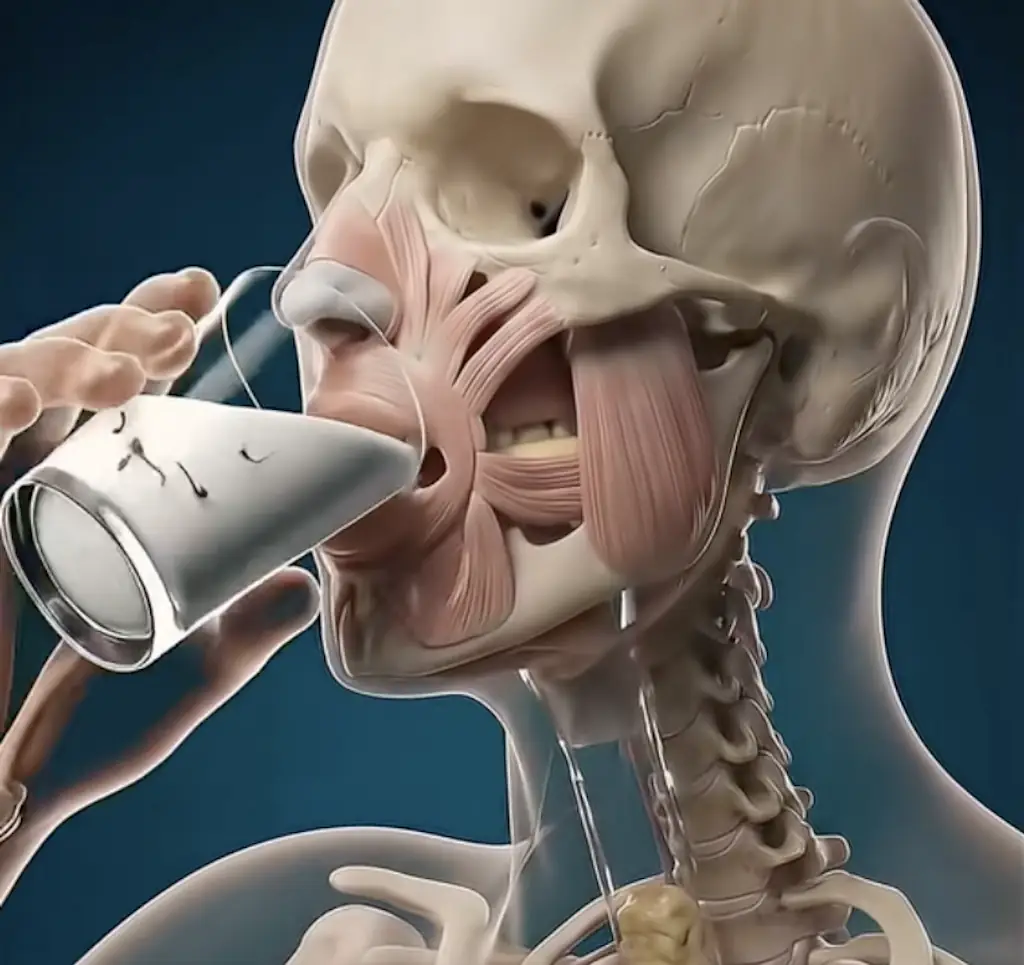
A simulation on the YouTube account Dr. Smurf claims to show how the body handles the situation.
The epididymis, the tube connected to the testicles, has a lining that breaks down old sperm cells.
The protein and nutrients from dead sperm are reabsorbed and repurposed to create other cells in the body, including new sperm cells.
In other words, the body runs a recycling system: Old sperm is broken down, its structural components, including enzymes, zinc, and fructose, are reclaimed, and the materials are reused.
Depending on where it is, sperm can stay alive for differing amounts of time. If it isn’t reabsorbed into the body, it can be released via a nocturnal emission, commonly known as a wet dream, according to Medical News Today.
How Long Does Sperm Live?
Sperm lifespan depends entirely on conditions, as outside the male body, they can die within minutes, as they need moisture and warmth to survive.
However, inside a woman’s body, sperm can survive for up to five days in sperm-friendly cervical mucus. Around ovulation, cervical mucus helps protect sperm and makes it easier for them to reach an egg.
Because sperm can live for up to five days, the five days leading up to ovulation and the day of ovulation are known as the fertile window.
Is There A Health Risk?
Heathline notes that there do not appear to be any risks associated with not releasing sperm via ejaculation.
However, research has explored a potential link between ejaculation frequency and prostate cancer.
Many factors can contribute to cancer risk, but a Harvard study discovered that among men who ejaculated most each month, their risk of prostate cancer was 31 percent lower.

How To Improve Sperm Health
As men get older, sperm count and quality naturally tend to decline, and the likelihood of mutations may increase.
While aging can’t be stopped, certain lifestyle changes may help support healthier sperm production and overall fertility.
- Keep sperm temperature cool, as testicles function best slightly below body temperature.
- Stop smoking as it can reduce fertility.
- Reduce alcohol consumption, since excessive drinking affects sperm quality.
- Avoid recreational drugs such as cannabis, anabolic steroids, and cocaine, which can damage sperm quality.
- Talk to your doctor about medications, as some prescription and over-the-counter drugs may affect fertility.
- Maintain a balanced diet, healthy weight, and manage stress, since severe stress can limit sperm production.


.jpg_xKEaT0?tr=cr-0.328.2730.3058,f-webp,q-70,w-100)





.jpg_xKEaT0?tr=cr-0.328.2730.3058,f-webp,q-70,w-1024)

