ADVERT
Health3 min(s) read
Retatrutide has attracted attention for producing major weight loss in clinical trials, but reports online have raised questions about how drugs that affect appetite and reward could also affect people's enjoyment of everyday life.
The experimental medication, developed by Eli Lilly, is a once-weekly injection that activates three hormone receptors: GIP, GLP-1 and glucagon. Unlike approved drugs such as Wegovy and Mounjaro, retatrutide is still investigational and has not been approved by the FDA, the UK's MHRA or any other regulatory agency. Eli Lilly says it is legally available only to participants in its clinical trials.
Results so far have been striking. In Eli Lilly's Phase 3 TRIUMPH-4 trial, participants with obesity and knee osteoarthritis who received the highest dose lost an average of 28.7 percent of their body weight after 68 weeks. More recent Phase 3 results have also shown substantial weight reductions across other groups being studied.
Alongside the excitement surrounding its potential, some people claiming to have used retatrutide outside clinical trials have described experiencing anhedonia, a reduced ability to experience pleasure.
Social media users have described feeling "unable to experience joy or happiness," with one calling the experience "genuinely unbearable."
Australian beautician Tiann Molnar, 26, also described experiencing changes to her mental health after taking what she said was retatrutide "on and off" for three months.
"Over time, I noticed significant changes in my mood and motivation," she told The Daily Mail. "I felt unusually tired, flat and extremely unmotivated, and I experienced periods where I felt very sad and insecure.
"There were times when things I would normally enjoy didn't give me the same feeling of happiness or excitement. "
Molnar said she eventually reached "rock bottom."
These individual accounts should not be treated as evidence that retatrutide causes anhedonia. Published Phase 2 data identified gastrointestinal problems as the most common adverse effects, while Lilly's Phase 3 results have continued to primarily report side effects such as nausea, diarrhea, constipation and vomiting.
One theory concerns dopamine, a neurotransmitter involved in motivation, reward and pleasure. Dr. Mary Sco suggested that reducing the reward associated with food could potentially have wider effects.
She told the Daily Mail: "GLP-1s blunt the amount of dopamine that's being released in the brain when we eat.
"If we're blunting that dopamine response, decreasing our cravings and reducing the amount of pleasure we experience from food, it could potentially blunt the pleasure we experience from other things in life as well."
She added: "So I'm not at all surprised that someone might say their attraction to others, or their interest in things generally, has decreased."
However, a direct causal relationship between retatrutide and anhedonia has not been established. The reports currently circulating online should therefore be distinguished from adverse effects demonstrated in controlled clinical trials.
The best-established side effects of retatrutide remain gastrointestinal. In the published Phase 2 trial, nausea, diarrhea, vomiting and constipation were among the most frequently reported adverse events, and they occurred more commonly at higher doses. Decreased appetite and fatigue were also reported.
Phase 3 data have followed a similar pattern. In one pivotal trial, nausea affected between 28.6 and 42.4 percent of retatrutide participants depending on dose, while diarrhea, constipation and vomiting were also common.
"As with other medicines in the incretin-based drug class, retatrutide is associated with a range of side effects, the majority of which relate to the gastrointestinal system," Bolt Pharmacy explains.
Crucially, retatrutide cannot currently be legally prescribed or purchased for public use. Eli Lilly warns that products claiming to contain the drug outside its clinical trials may have unknown ingredients, incorrect doses, contaminants or impurities.
For now, retatrutide remains under investigation, with its full safety profile still being established as the Phase 3 clinical program continues.
health3 min(s) read
health4 min(s) read
health5 min(s) read
Everyone and their mom is using GLP-1 medications, often referred to as weight-loss jabs, to help them lose weight by regulating blood sugar levels and curbing their cravings, but there might be a new kid on the block that can melt the pounds even quicker.
Typically, these drugs work using a single hormone that signals fullness to the brain after a meal. However, a new experimental medication is being trialed, and it promises even quicker results than its already market-safe competitors.
Retatrutide is a revolutionary treatment currently restricted to clinical trials. Unlike medications currently on the market, the potent drug is a "triple-hormone receptor agonist," meaning it targets three separate appetite and metabolic hormones rather than just one.
Clinical trials have already demonstrated its game-changing potential, with participants losing an unprecedented average of 26.6% of their body weight over 84 weeks, making it the most potent weight-loss jab discovered yet.
Despite the drug not yet being officially authorised for public use, some individuals have managed to source the new peptide, try it out and share their results.
YouTuber Dizzll TV shared his personal four-week journey using a low, one-milligram dosage of Retatrutide to test its impact on his health.
Pairing the weekly injection with a strict fitness routine and a highly restricted diet of approximately 900 calories a day, the content creator saw rapid results.
Over the course of the month-long experiment, his weight dropped by 11 pounds, bringing him down to 274.6 lbs.
In one of his videos, he told his followers: “I dropped 11 lbs in four weeks, guys. So, almost three pounds per week over the last month,
"Feel free to clap for me. I appreciate that.”
The YouTuber also reported that his body fat percentage plummeted from an estimated 31.2% down to between 28% and 29%, revealing muscle definition that had previously been hidden by folds of fat.
Describing the rapid transformation as "shocking" and "amazing," he also noted that his experience was remarkably smooth as he experienced virtually no negative side effects or struggles.
While these underground results sound promising, health authorities are urging the public to exercise extreme caution. The Medicines and Healthcare products Regulatory Agency (MHRA) has issued strict warnings against attempting to buy Retatrutide outside of regulated clinical trials illegally.
Officials have warned that purchasing unapproved peptides online poses severe health risks due to the lack of quality control.
The documented side effects of the drug, including severe nausea, vomiting, and potential long-term complications, alone should be enough to keep people away.
Understandably, experts warn that the safest route to weight loss remains approved medical channels combined with a balanced diet and exercise.
A man has revealed a side-by-side comparison of himself from before and after he started taking Mounjaro.
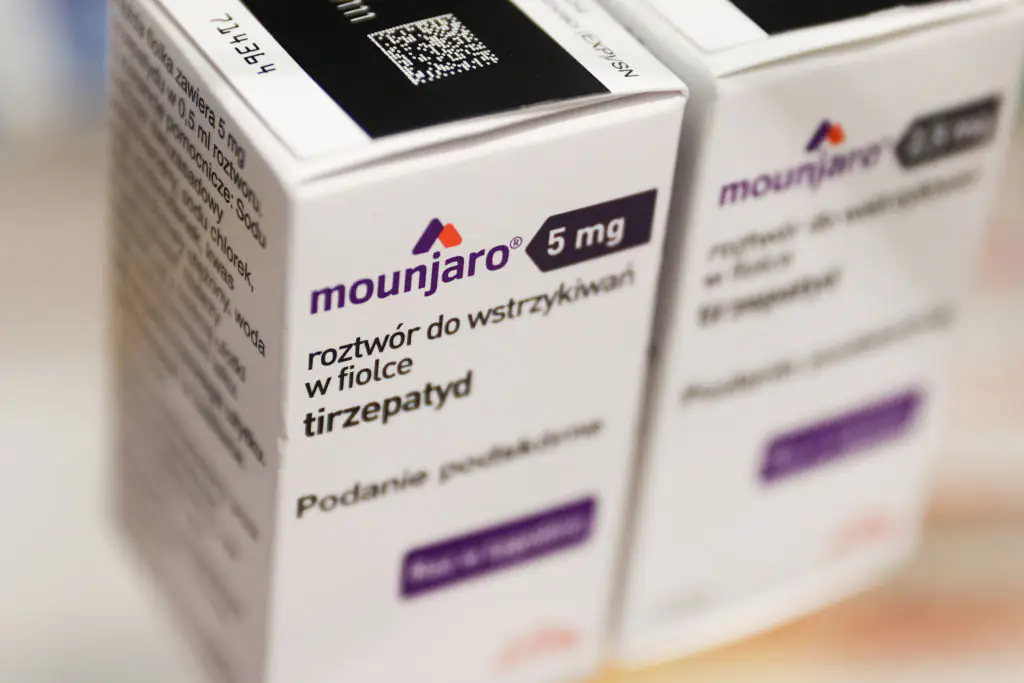
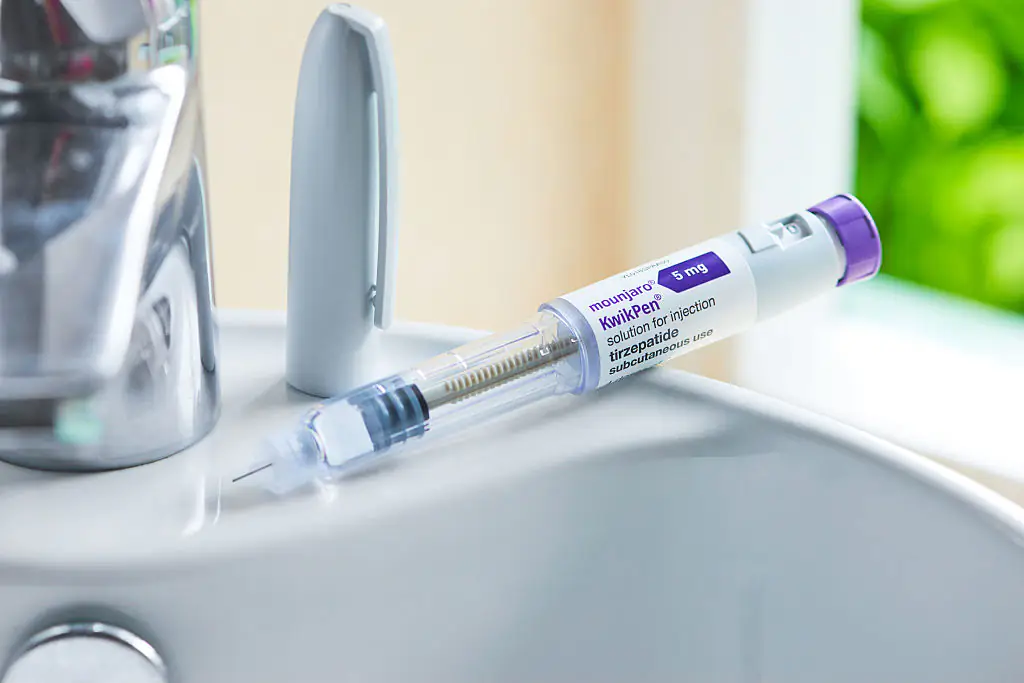
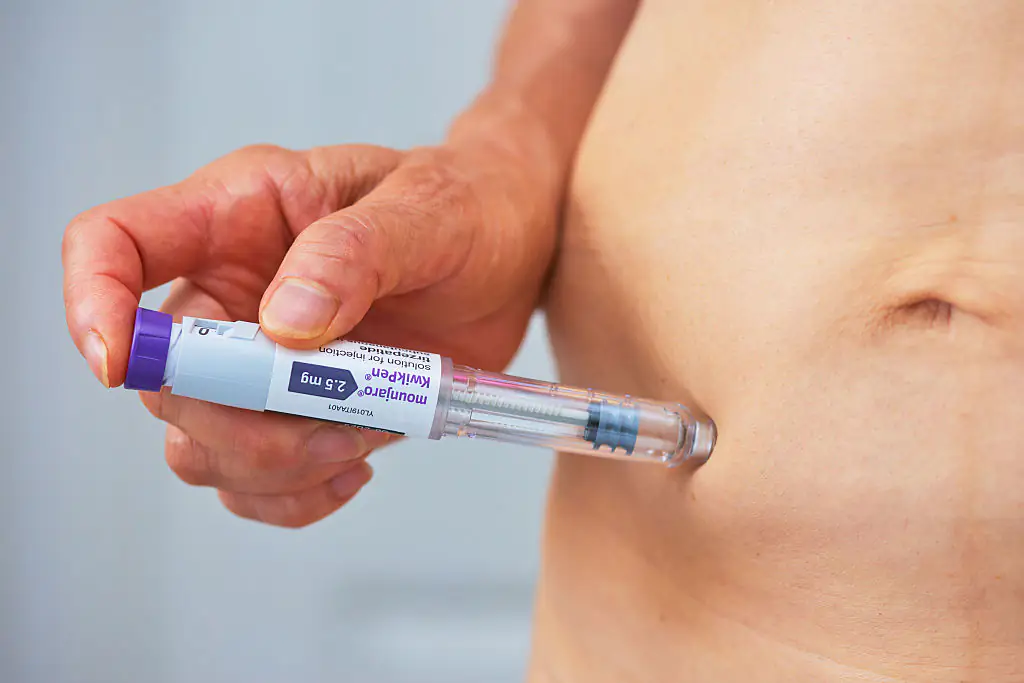
Mounjaro, which started becoming available as a weight-loss injection for those with obesity and related conditions, works by helping people feel fuller for longer.
Gordon, known online as Fat Old Climber on YouTube, recently shared the remarkable impact of using Mounjaro (tirzepatide), a weight-loss medication, in a YouTube update to his thousands of subscribers.
After spending over a decade trying to control his weight - which peaked during the pandemic at just over 23 stone - Gordon finally reached “his wit’s end.”
Late last year, he discovered appetite suppressant drugs and, by March, began sourcing Mounjaro in the UK.
While the effects weren’t immediate, Gordon says the next day “everything changed.” He explained: “I found within one day my focus on eating had gone. I wasn’t hungry when I would normally have been hungry, I wasn’t thinking about food all the time.”
He added that it didn’t just work quickly - it worked well. In the first week, he lost nine pounds; in the second, seven.
Gordon says the medication shifted his mindset to view food as fuel and prompted him to prioritize nutrients and energy while eliminating snacking.
Although he admitted there can be “a lot of side effects,” he hasn’t experienced any major ones.
He did notice his mouth gets “quite dry” on injection day, and after increasing the dose, he became “constipated quite a lot.”
Over three months, Gordon lost “an incredible 45 lbs,” which he says equals “15 percent” of his body weight. He also dropped “seven-and-a-half inches around my waist.”
But the most powerful result wasn’t the weight loss - it was the ease. He says: “I’m not having to work on it... if anything, I’m having to focus on eating to make sure I have energy.”
As a climber, the changes have transformed his performance. He noted the weight loss has “dramatically impacted his ability,” and he also feels better overall - his pain and blood pressure have improved.
Gordon isn't the only one seeing the benefits of Mounjaro, as comedian Rosie O'Donnell shared her experience with it.
On May 23, the 63‑year‑old comedian and actress surprised fans with a photo on Instagram.
Onstage, dressed in dark trousers and a light green sweater, she posed confidently with a microphone and stand in hand. Her accompanying caption summed it up perfectly: “I can't believe this is me now.”
She tagged the post with #mounjaro, #weightloss, and #bodydismorphia - a nod to the powerful shift she's undergone in recent months.
Rosie has been refreshingly open about her health journey.
In January 2023, she revealed her doctor had prescribed Mounjaro, a medication commonly used to treat type 2 diabetes and promote weight loss, as well as Repatha.
At the time, she explained in a TikTok video: “One I do every other week and one I do once a week.”
She's since credited both medications and a lifestyle overhaul for her stunning results.
“I’ve lost more weight. I am on Mounjaro for my diabetes and one of the side effects is you lose weight,” she said in an earlier TikTok. “But it’s also because I had a chef for over two years in Los Angeles and I don't have a chef now. It's me cooking for Clay and me.”
Now based in Ireland with her 12‑year‑old child, Clay, Rosie has built a new routine focused on healthier eating and staying active. She’s also consciously cut back on sugar and increased her hydration.
A woman has opened up about her experience with the weight-loss drug Mounjaro - including the horrible side-effect that made her want to quit taking it altogether.
Initially created to help people with diabetes control their blood sugar levels, GLP-1 drugs such a Mounjaro, Ozempic, and Wegovy, have exploded in use in recent months due to their weight-loss effects.
The weekly glucagon-like peptide-1 receptor agonist (GLP-1) injections help people feel fuller by mimicking a natural hormone released after eating and suppressing the appetite.
However, they're not a quick fix and should only be used when medically indicated - and can come with a host of side-effects, too.
Kelly, who is from the UK, has been sharing her journey with Mounjaro and is currently on a 10mg weekly dose.
She revealed that it had "stopped working" to suppress her appetite, but had made everything taste awful instead.
Sharing a clip of the many things she tried to eat and drink to stave off the hunger, she told her followers: "I feel like this is the side of Mounjaro people don’t see!
"I’m starving but don’t fancy anything!! It is such a struggle! I might actually come off Mounjaro at this point!"
She revealed that she'd started the day with peppermint tea to soothe her stomach from the spicy chicken she'd eaten the night before, and that her lunch of spaghetti bolognese leftover from the week before was the "first thing in days [she'd] actually enjoyed."
Kelly also bought a tray of sushi, Peperami, and an iced coffee, adding: "Had no protein so I felt starving. I thought I made good choices getting this... I've never had sushi before."
She then filmed herself almost gagging as she tried to swallow the sushi, before confirming: "Yeah, it's not for me!"
She then attempted a protein bar and some strawberries, telling her followers: "This was also disgusting and I was just so over it all."
Kelly then added in the comments: "I don’t think people understand my situation, I don’t have suppression, I’m not not eating food because of my dose, the Mounjaro has changed my taste buds.
"I AM HUNGRY and I am able to eat how I used to - I just have different tastes now but I can stomach anything. Nobody understands."
Others also shared their experiences in the comments, writing: "I can’t eat eggs, dairy, meat and fried foods now!!", and: "I feel this!!! 7.5mg - I can be eating my fav meal and all of a sudden it’ll be the worse meal I’ve ever had and I have to stop. Like texture/smell that wouldn’t have bothered me before sends me sick. I loved Lurpak and just the smell of it turns my stomach."
Another added: "Everything tastes so ordinary now," while someone else wrote: "GPL-1 (sic) have also changed my taste buds. I’ve thrown away so much food because they taste slimy or just plain disgusting. Can’t even drink soda like I used to (which is a good thing but still)."
That's not the only issue GLP-1 injections can cause, however, as a nurse called Charlene has revealed another unpleasant side-effect people should be aware of.
She warned that people often experience sulfur burps - which are just as gross as they sound.
Charlene explained: "Basically, with a GLP-1 medication, it slows your digestion. So when your digestion is slowed, food that you consumed is sitting in your stomach for a bit longer, and sometimes that can produce gases, and they have to come up.
"So you end up burping gases from old food and it can be quite nasty and smell quite eggy, not very nice."
She recommended carrying some heartburn medication and some strong mints, as she revealed from personal experience that the sulfur burps tend to last "a day or two" after her injection.
Charlene also recommended finding out which foods trigger your sulfur burps, as heavier foods can seemingly worsen her symptoms, and eating more slowly and chewing your food thoroughly can also help prevent them.
Sitting upright for "at least half an hour to an hour" after eating, staying well hydrated, and going for a walk can also help food move through the digestive tract more efficiently.
A new study has analyzed data from thousands of people using weight loss injections to determine which of the available treatments is most effective for losing weight.
Following the introduction of peptides, weight loss drugs that are marketed under the brand names Ozempic, Mounjaro, Saxenda, and Wegovy, many users have reported significant results.
While the medications all function in a similar way, mimicking the GLP-1 hormone, which signals to the brain that the body is full and reduces appetite, some come with unwanted side effects.
Although this often leads to noticeable weight loss, some people regain weight after stopping treatment.
Researchers from the University of Georgia reviewed 15 separate studies involving more than 14,000 non-diabetic participants who used different weight loss injections to compare their effectiveness.
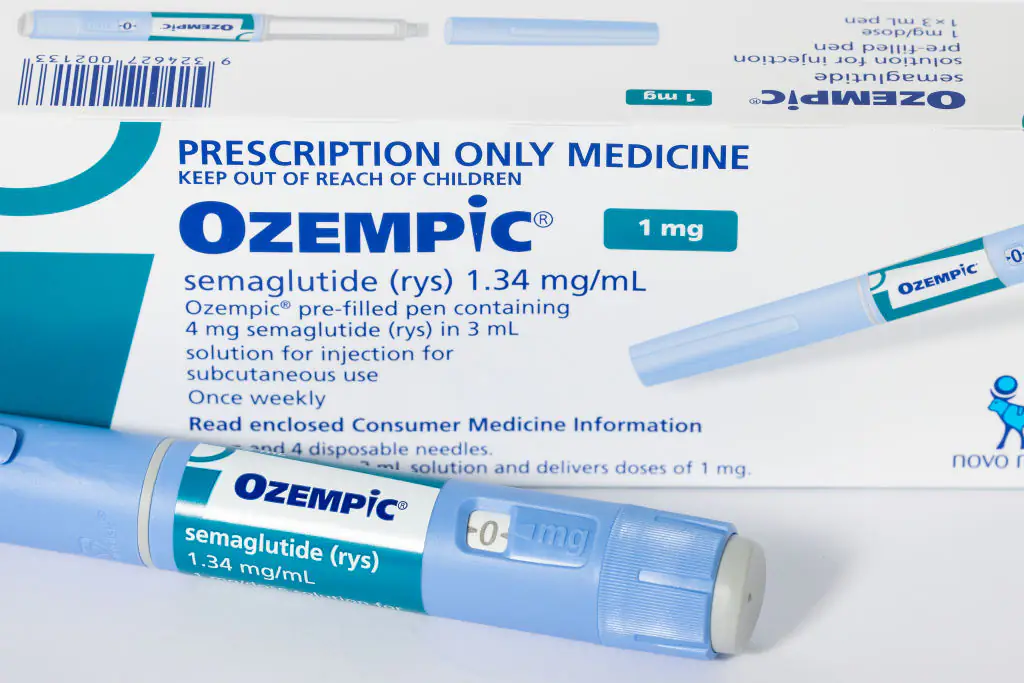
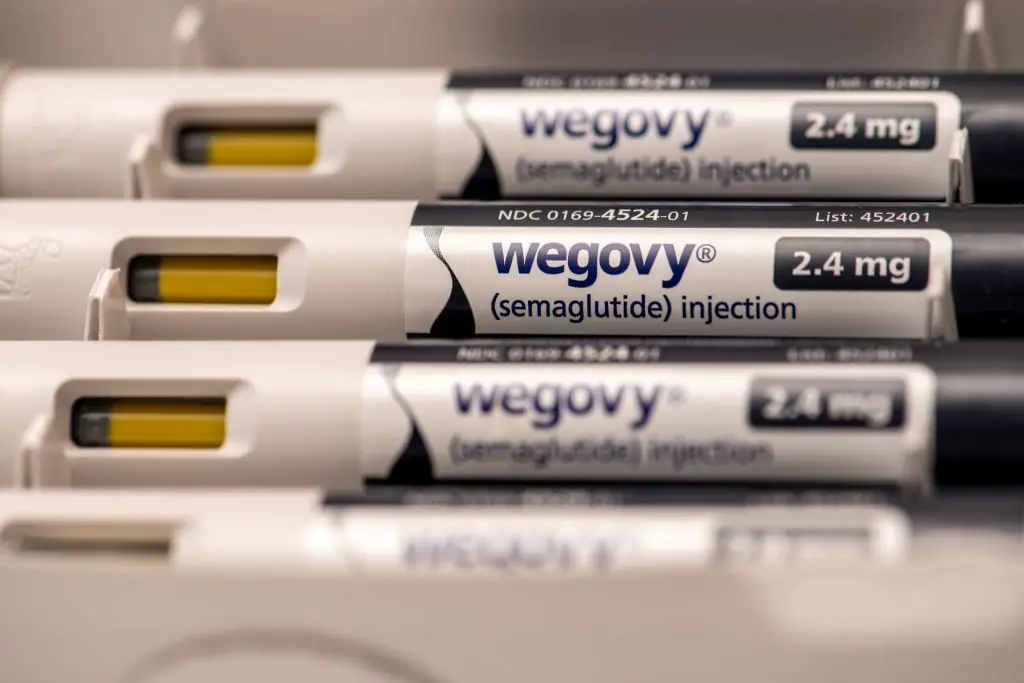
Among the three main options, each uses a different active ingredient: Wegovy contains semaglutide, Mounjaro uses tirzepatide, and Saxenda is based on liraglutide. (Ozempic also uses semaglutide but is primarily prescribed for diabetes rather than weight loss.)
The findings showed that Mounjaro, which is based on tirzepatide, produced the strongest results overall. On average, participants lost around 20 percent of their body weight.
Wegovy ranked second, with users losing roughly 15 percent of their body weight, while Saxenda came third, with an average loss of about eight percent.
Unlike the others, Saxenda requires daily injections, whereas Mounjaro and Wegovy are typically taken weekly.
However, the study also found that Mounjaro had a slightly higher chance of causing side effects, including nausea and vomiting, although it still delivered the most significant weight loss outcomes. Doses between 10 and 15 milligrams per week were identified as the most effective.
One key difference is that while Wegovy and Saxenda only mimic the GLP-1 hormone, Mounjaro also targets another hormone known as GIP, which may help explain its stronger results.
Doctoral student Pooja Gokhale, who authored the review, said: “We were interested in finding which drug gives the most weight loss and doesn’t have higher rates of side effects like nausea and gastrointestinal problems. Tirzepatide seems to be the better option.”
A spokesperson for Novo Nordisk, which manufactures Wegovy and Saxenda, emphasized that treatment decisions should be made carefully.
“Obesity is a complex disease that is often misunderstood, underdiagnosed and undertreated. It requires long-term management and is influenced by a number of different factors including physiological, psychological, environmental, socio-economics and genetic factors.
“Treatment decisions should be made together with a healthcare provider who can evaluate the appropriateness of using specific medicines based on assessment of a patient’s individual medical profile.”
Thousands of Americans are now taking legal action against popular weight loss drugs after a rare and terrifying permanent side effect was revealed.
Ozempic and Wegovy, part of a class known as GLP-1 receptor drugs, were originally designed to treat Type 2 diabetes. However, they quickly surged in popularity after patients began experiencing weight loss while taking them.
Todd Engel, a 63-year-old grandfather from Maryland, was among those prescribed the medication.
But after taking Ozempic, he developed a rare condition known as non-arteritic anterior ischemic optic neuropathy (NAION), which has left him permanently blind.
He is now suing Novo Nordisk, the pharmaceutical company behind both drugs.
Per Fox 5, Engel began taking the drug in the spring of 2023 to manage his diabetes while working as a professional truck driver for Howard County highways.
Around New Year’s Eve that year, he suddenly lost vision in his right eye in what doctors described as an eye stroke.
At the time, Engel continued using the medication, unaware that there could be a link. Ten months later, in October 2024, he woke up unable to see out of his left eye as well.
Doctors later diagnosed him with NAION, which is the leading cause of sudden vision loss. "I was terrified... I’m never going to be able to see my wife again," he shared.
The condition forced him to give up the job he loved and dramatically changed daily life for him and his family.
"I went in and I told them what happened, and I cried in front of my supervisors because I couldn’t do my job anymore," Engel said. "A job I really enjoyed."
His wife, Shelley, now helps him navigate daily tasks. "It’s heartbreaking when our little grandkids have to take his hand and lead him around," she said, per The Independent. "He can't drive and he can't work, which is major, he can't play ball.
"It breaks my heart, but my life has changed. Our whole family's life, everything has changed completely. He can't play with our grandkids. Everything in our house has been rearranged and organised," she added.
Engel’s case is one of more than 4,000 lawsuits filed by patients who claim the drugs caused severe health complications, including blindness and even death.
Many of the cases have now been consolidated in Pennsylvania as part of a growing legal battle seeking to determine what the drug manufacturers knew about the risks.
Engel’s lawsuit claims the manufacturers knew Ozempic was associated with an increased risk of NAION but did not properly disclose the danger. "My neuro-ophthalmologist at Johns Hopkins Wilmer Eye Institute said there’s some speculation that Ozempic could have caused this," he said.
One study cited in the complaint reportedly discovered that using semaglutide, the active ingredient in Ozempic, more than doubles the risk of NAION.
Engel hopes his experience will force drugmakers to take notice. "I want people to realize. I want the manufacturers of Ozempic to see me. That I cannot see anything. I’m blind. I’m legally blind, and this is devastating," he said.
His attorney, Jonathan Orent, said the impact of the condition cannot be overstated.
Diane Wirth, who worked as a nurse for more than 30 years, also developed NAION in her right eye after taking the drug, forcing her into retirement.
"If someone would have told me there was a chance that a drug I was taking could make me blind, I would never, ever, have taken the first shot," she said.
Another lawsuit has been filed by Tracy Ettinghoff, whose wife, Marsha, died six months after beginning Ozempic.
In 2024, Marsha had started taking the medication in hopes of losing weight before their son’s wedding. "She didn't have any symptoms until a week before she died,” Ettinghoff said. “She started throwing up, and one week later she was dead.”
Ettinghoff said his wife "didn't think that she needed [the medication], but she wanted to be on it," and that the weekly injections did not appear to make much difference to her weight loss.
"We believe that Mrs. Ettinghoff’s premature death was substantially caused by her use of GLP-1s and the adverse reactions associated with them," Orent said. "We believe that sufficient warnings would have prevented this tragic death from ever happening."
Novo Nordisk has said patient safety remains its top priority and disputes claims that the medication directly causes NAION.
"Patient safety is our top priority, and we take any reports about adverse events from the use of our medicines very seriously. We work closely with authorities and regulatory bodies from around the world to continuously monitor the safety profile of our products," they said, per The Guardian.
They added that EU patient leaflets for Wegovy, Ozempic, and Rybelsus have been updated to include non-arteritic anterior ischemic optic neuropathy (NAION).
However, the company has concluded that data "did not suggest a reasonable possibility of a causal relationship between semaglutide and NAION, and Novo Nordisk believes that the benefit-risk profile of semaglutide remains favourable."