An expert explanation has added clarification to the long-debated location of the G-spot, offering insight into where it may be found and how it relates to other parts of female anatomy.
For some, particularly heterosexual men, establishing the whereabouts of that elusive pleasure point is often joked about as an arduous task, but the work of a urologist may have just spared many a woman from an unfulfilling sexual experience, and many a man from their own ignorance.
Where is the G-spot commonly believed to be located?
The G-spot, also known as the “Gräfenberg spot”, is generally believed to sit on the front wall of the vagina, roughly 2–3 inches inside, although estimates vary. Some sources suggest it may be as close as “just 1 centimeter” from the vaginal opening. It’s widely considered an erogenous zone that, when stimulated, can trigger pleasurable sensations and may contribute to orgasm.
However, its exact position, and even whether it exists as a distinct structure, has been debated for decades. Increasingly, researchers believe the G-spot is not a separate organ at all, but rather part of the wider clitoral network. This system includes nerve endings and erectile tissue that extend far beyond the small external part most people associate with the clitoris.
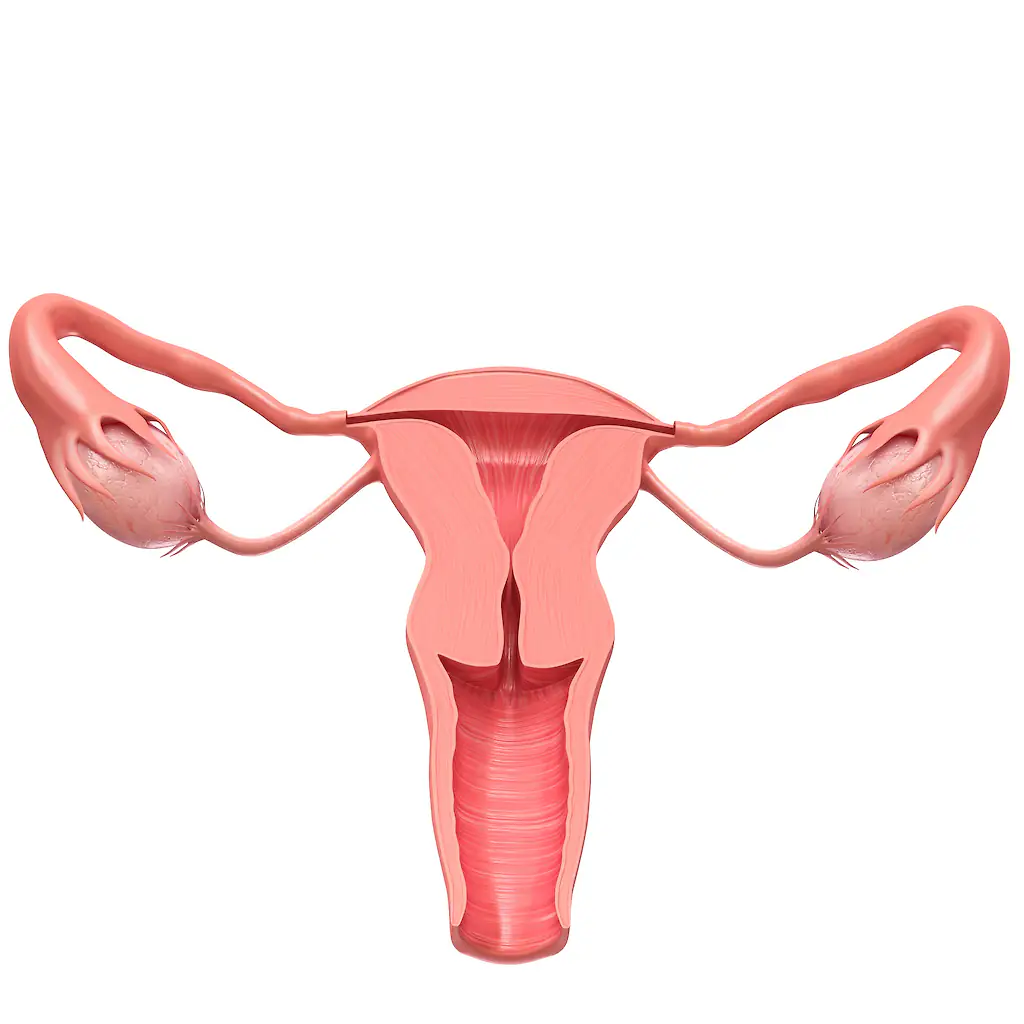
Rather than the usual female anatomy, above, she has two uteri and two vaginas. Credit: PIXOLOGICSTUDIO/SCIENCE PHOTO LIBRARY/Getty Images
While many think of the clitoris as the visible, pea-sized structure, it actually stretches internally. Because of this, stimulating the G-spot may effectively mean stimulating part of the clitoris from within. Despite numerous studies, no clearly separate anatomical structure has been identified, leading many scientists to conclude it is likely an extension of the clitoris rather than its own entity.
What has research discovered?
Advances in research have helped deepen the understanding of female anatomy. Work by urologist Helen O’Connell in 1998 revealed the true extent of the clitoris, while more recent findings suggest it contains “over 10,000 nerve endings.” Some experts now refer to this interconnected area as the “clitourethrovaginal complex.”
In practical terms, the G-spot is typically described as being located on the front vaginal wall, toward the belly button. Its exact position and sensitivity can differ from person to person. Some estimates place it about “an inch or so inside the vaginal canal,” while others suggest it may be around “16.5 millimeters” from the urethral opening.
It’s also often described in relation to surrounding anatomy, where the urethra, Skene’s glands, and clitoral structures meet close to the vaginal wall. When touched, the area may feel slightly different in texture, sometimes “rougher or bumpier” than the surrounding tissue.
Because of its proximity to the bladder, stimulation can sometimes create a sensation similar to needing to urinate. Experiences vary widely, so the sex experts suggest experimenting with different levels of pressure and movement to find what feels comfortable.
Ultimately, while research continues, most evidence supports the idea that the G-spot plays a considerable role in sexual pleasure for some individuals, even if it’s not a completely standalone structure. Open communication and a relaxed, pressure-free approach are often highlighted as key to exploring it comfortably.
Featured Image. Credit: PIXOLOGICSTUDIO/SCIENCE PHOTO LIBRARY/Getty Images