Ichikawa City Zoo has shared an update on Punch, the viral baby monkey, amid concerns over his appearance.
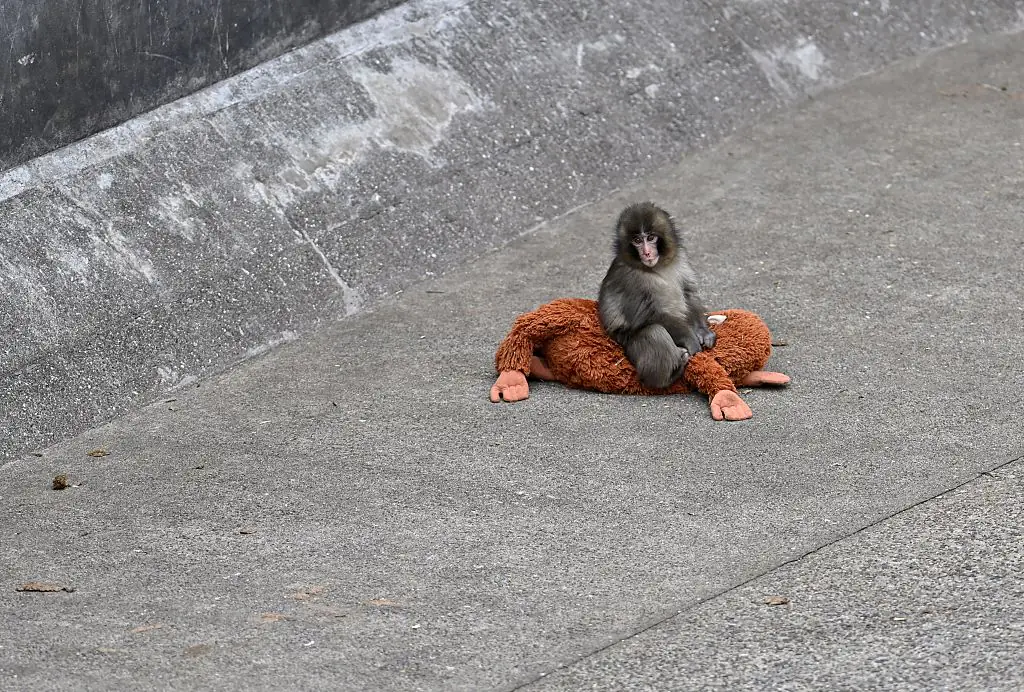
The tiny primate shot to fame after videos showed him dragging around and hugging his stuffed orangutan toy, nicknamed 'Ora-mama,' which zookeepers gave him for comfort after he was rejected by his biological mother shortly after he was born in July last year.
But, while millions have followed the six-month-old's journey under the hashtag #KeepGoingPunch, some online viewers remain unconvinced that he’s truly thriving.
Punch was abandoned by his mother at birth. Credit: David Mareuil / Anadolu via Getty
Concerns Over "Bullying" And Hair Loss
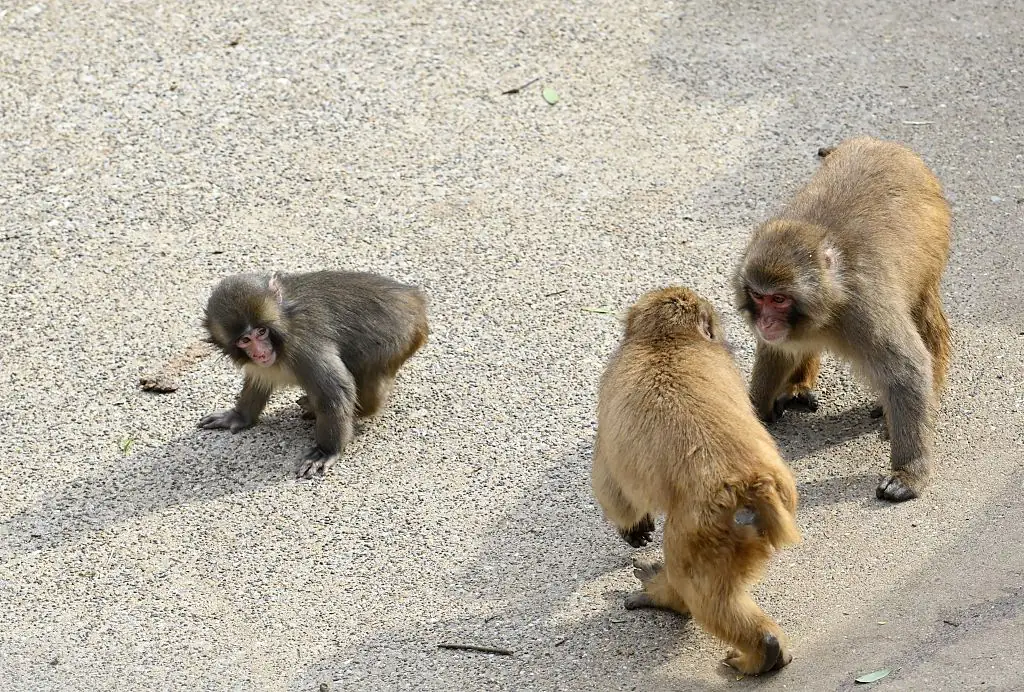
Recently, clips circulated on social media showing Punch being pushed and tossed by other monkeys, behavior some people have labeled as “bullying".
"Omg not punch protecting the plushie even when he's getting bullied this made me so emotional," one user on X said, while another added: "This poor little baby monkey (Punch 🥺) getting bullied and rejected by his own troop has absolutely shattered my heart."
However, zookeepers have reassured the public that while Punch "has been scolded many times by other monkeys, no single monkey has shown serious aggression toward him," cited by PEOPLE.
Still, those concerns persisted, especially after some visitors noticed that a few monkeys in the zoo appeared to have hair loss.
In a statement shared on X on Wednesday (25 February), Ichikawa City Zoo addressed the issue directly: "A lot of visitors are currently coming to the zoo to see baby monkey, Punch.
"Many of them ask us about the health of the Japanese macaques, and we would like to explain their current condition and our plans. A few macaques in the troop exhibit significant hair loss, or alopecia."
The keeper clarified that “the amount of food they receive and their weight are appropriate according to a veterinarian's diagnosis, and no clear sickness is evident”.
"We believe the main cause is excessive grooming habits. To improve this issue and promote healthy group life, three staff members have been working together since June 2025 to develop approaches and conduct testing," they added.
Addressing what it described as “various opinions concerning the environment of the monkey mountain,” the zoo stressed: "Animal welfare is the top priority in the current environment, and we are doing our best to improve the monkeys' living conditions.
"Four rooms are always open at the back, which is invisible to visitors, and Punch also uses this space to hide," they continued. "Also, many of the trees provided for environmental enrichment have become excellent play tools, especially for the young monkeys, including Punch.
"We are always seeking the best ways to improve the environment. However, Punch is currently trying to integrate with the troop," the statement noted.
The zoo said making a “radical change” to the monkey mountain environment would upset the macaques and “may lead to Punch being bullied”.
"For this reason, we would like to prioritize Punch becoming a member of the troop safely while improving the monkeys' health conditions as much as possible."
The spokesperson signed off by saying: "By observing the conditions, we can implement measures to improve the environment for Japanese macaques on the monkey mountain. We ask for your continued support for Punch and the other troop monkeys."
Punch was raised by zookeepers. Credit: Anadolu / Getty
Expert Warns Against ‘Rescuing’ Punch
As Punch’s story continues to gain global attention, some people have suggested that the six-month-old should be “rescued," but experts have strongly pushed back on that idea.
Alison Behie, a biological anthropology professor at the Australian National University, spoke about the calls during an appearance on CNA's Asia Now.
“Because they're social animals,” she explained. “They need to be with their social group.
"Animals raised in isolation are way worse off than an animal that's in his social group and possibly facing some aggression, which really he will learn the signals and he will integrate into the group, which we're already starting to see," she added.
She warned that isolation can have serious consequences, noting that an isolated animal can become "bored" and "aggressive".
“There's been lots of cases of animals becoming quite aggressive to their owners, and then those animals need to be put down," she continued. “So, my message would be to leave them alone, [and] understand [that] this is a normal part of wild behavior.
"It's confronting to look at, but Punch is where he should be," she added.
Featured image credit: Anadolu / Getty